Fuelled by a recovery in agriculture, industry and services, the Albanian economy grew by 1.65 percent year-on-year in the first quarter of 2014, with the sluggish recovery affected by the long-ailing construction sector and a sharp contraction in the transport sector.
TIRANA, July 7 – The Albanian economy registered a moderate recovery in the first quarter of 2014, signaling the country is on track to achieving its target of a 2 percent growth rate after an initial estimated growth of only 0.44 percent in 2013, which was the poorest in the past 16 years.
Fuelled by a recovery in agriculture, industry and services, the Albanian economy grew by 1.65 percent year-on-year in the first quarter of 2014, with the sluggish recovery affected by the long-ailing construction sector and a sharp contraction in the transport sector.
Agriculture, which has proved the most stable sector in the past five global crisis years, continued positively performing even in the first quarter of 2014 when it grew by 3 percent year-on-year but declined by 0.36 percent compared to the final quarter of 2013. Despite employing around half of the country’s population, the agriculture sector accounts for only 22 percent of the GDP and is also one the least financed sectors of the economy, unveiling the poor productivity of this sector.
The industry sector, dominated by manufacturing and accounting for around 14.4 percent of the gross value added, grew by 8.24 percent year-on-year in the first quarter of 2014, but was down by 7.7 percent compared to the final quarter of 2013.
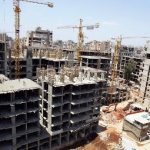
The long-ailing construction sector, once the key driver of the Albanian economy but suffering since the outbreak of the global crisis in 2008, shrank 5.3 percent year-on-year and was down by 4.5 percent compared to the final quarter of 2013.
The services sector, which accounts for around 52 percent of the GDP, registered annual growth rates in all its branches except for transport which contracted by a sharp 25 percent compared to the first quarter of 2013.
‘Trade, hotels and restaurants’ which INSTAT estimates at 15 percent of the GDP, were up by 2.66 percent compared to the first quarter of 2013 and remained almost unchanged compared to the final quarter of the year.
Post and telecommunication, estimated at 3 percent of the GDP grew by 3.6 percent year-on-year while other services, accounting for around 30 percent of the GDP and dominated by real estate and business activities were up by around 2 percent compared to the first quarter of 2013.
In the ‘other services’ branch, the public administration, education, health had a positive contribution while real estate, rental and support activities such as legal, engineering and consultancy services contracted.
Compared to the final quarter of 2013, the Albanian economy has grown by only 0.16 percent with agriculture, industry, construction, ‘trade, hotels and restaurants’ all registering negative growth rates.
GDP rates revised upward
In its latest GDP publication for the first quarter of 2014, INSTAT’s director Gjergj Filipi also announced a review of the GDP methodology under EU and IMF assistance.
Under the latest review, the GDP for 2013 has been revised upward to 1.42 percent, up from an earlier 0.44, giving a wrong impression of 2013 as the worst year in Albania’s economy as the 2012 growth rate is estimated at only 1 percent.
Under the newly revised data, the Albanian economy grew by 3.7 percent in 2009, 3.75 percent in 2010, 2.17 percent in 2011 and only 1 percent in 2012.
Revised data show the Albanian economy suffered three quarterly contractions from 2010 to 2013 with the third quarter of 2013 registering the sharpest shrink of 2.27 percent.
Newly revised data show the Albanian economy has grown by an average of 2.6 percent annually during the 2009-2013 crisis years compared to a pre-crisis decade of an average 6 percent, being one of the best performers in the region, according to INSTAT.
Consumption, investments recovering
Domestic consumption and private investments, the two key drivers of the Albanian economy, have registered a significant recovery this year, when the Albanian economy is expected to grow by 2 percent.
Data published by the Finance Ministry and INSTAT show the value added tax, which is levied at a 20 percent rate on almost all products and services and accounts for around a third of total government income, registered a sharp double-digit growth of 20 percent in the first five months of this year, hinting a significant a significant recovery in domestic consumption.
Meanwhile, imports of “machinery, equipment and spare parts,” an indicator also measuring private investments was up by 6.4 percent in the first five months of this year, signaling a recovery in the private sector which accounts for 80 percent of the GDP.
A moderate recovery in domestic consumption is also unveiled by the latest INSTAT data on retail sales for the first quarter of 2014. INSTAT data show the volume of retail sales grew by 5.7 percent year-on-year in the first quarter of 2014.
Short-term turnover statistics published by INSTAT ahead of the GDP for the first quarter of 2014 also the turnover index in industry, construction, trade and other services grew by 1.7 percent year-on-year in the first quarter of 2014 but was down by 20.8 percent compared to the final quarter of 2013.
Sluggish domestic consumption, poor private investments, underperforming government revenue, public debt having climbed to around 70 percent of the GDP, non-performing loans at around 24 percent have been some of the key wounds of the Albanian economy in the past few years. Lending having plunged to moderate negative growth rates and deposits striving to maintain positive growth rates are some other indicators of the critical situation.
The Albanian economy is showing tentative signs of recovery in 2014, boosted by a pickup in exports, but output remains below potential, says the IMF after approving the second tranche of a Euro 334 million soft loan to assist the Albanian government with unpaid bills estimated at 5 percent of the country’s GDP.
The central bank estimates that the performance of the Albanian economy in the short run will depend on the progress of private investments and consumption, two components of aggregate demand which have been facing sluggish growth in the past couple of years.
Prospects for 2014 appear slightly more optimistic with international financial institutions and government expecting growth to slightly accelerate to 2 percent as top trade partners Italy and Greece are forecast to escape recession.