One of the main pillars of quality and sustainable higher education in Albania is considered to be academic integrity, which is closely linked to transparency, honesty, and respect for ethical standards that guarantee the credibility of these educational institutions. In Albania, numerous challenges such as plagiarism, corruption, and the lack of effective control mechanisms have negatively affected the reputation of universities. Faced with this reality, the concept of coalitions for clean universities emerges as a necessary initiative to strengthen integrity and promote a new academic culture.
Coalitions for clean universities are designed as cooperation networks among universities, students, lecturers, civil society, and state institutions, with the aim of establishing clear standards and rigorously implementing them. Universities should adopt strict anti-plagiarism policies and invest in information technology systems to digitize academic processes. Students, as key actors, must be actively involved in protecting integrity by reporting violations and rejecting dishonest practices.
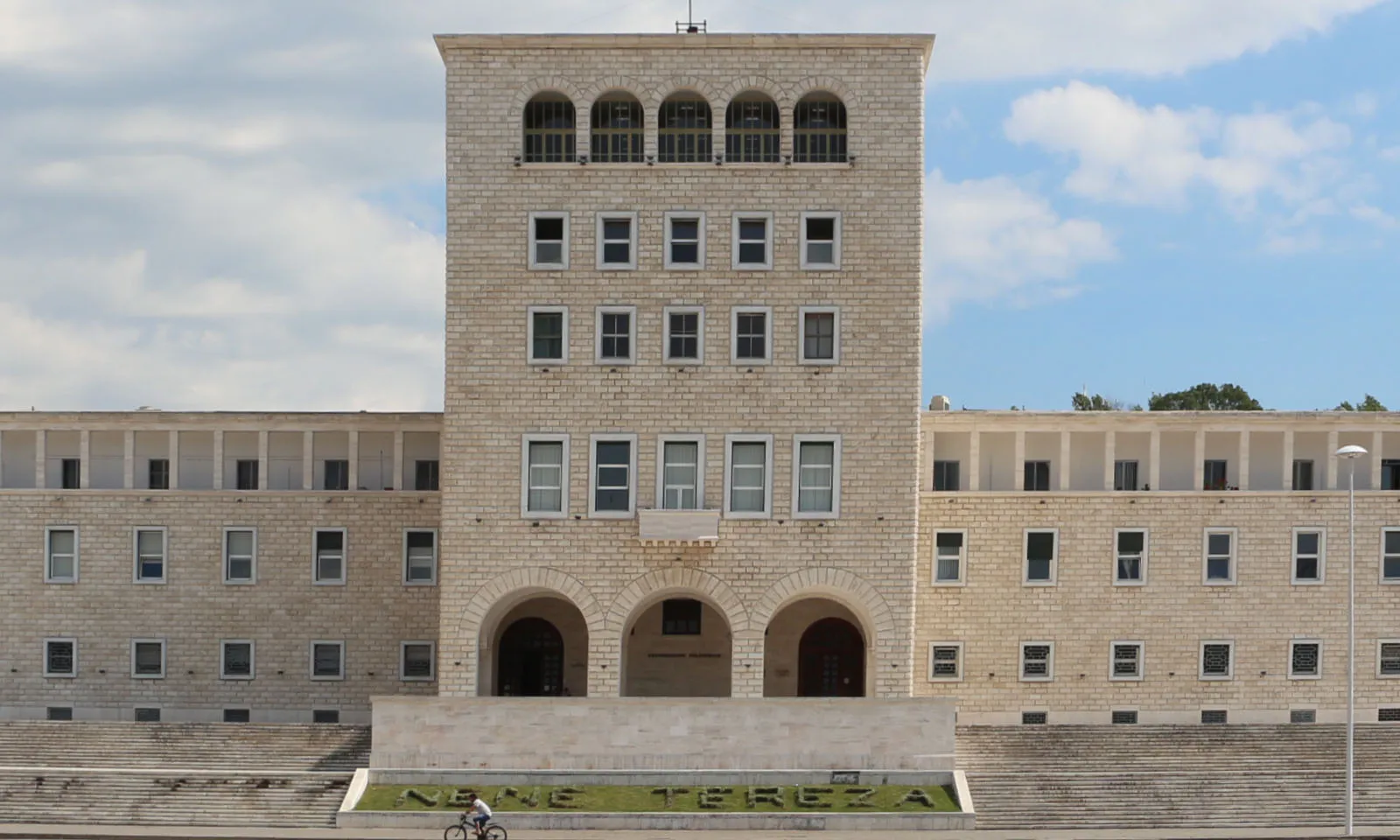
According to a study conducted on corruption in higher education, the lack of organized student mechanisms is identified as one of the main reasons for the low engagement of students against corruption. There is a need to develop elections and reorganize Student Councils in public universities equipped with additional bodies for identifying corruption within faculties. Civil society and the media also play a monitoring and awareness-raising role, increasing public pressure for transparency. “Civil society organizations should penetrate universities to help students denounce, react to, and expose corruption. Resistance against corrupt lecturers and administration requires cooperation from both inside and outside academic halls,” the study states. Meanwhile, the government and accreditation institutions have the responsibility to create a clear legal framework and effective control mechanisms. Thus, coalitions serve not only as formal structures but also as mechanisms for creating a collective culture of academic honesty. Albania currently has 14 public universities.
Albanian higher education, although it has taken important steps towards reform after the Bologna Process, continues to face inherited problems. Various studies have shown that corruption in grading, admissions, and plagiarism in academic works is widespread, according to reports by Transparency International. Likewise, a report by the Center for Economic and Social Studies indicates that more than 40% of Albanian students have perceived cases of corruption in lecturer-student relations.
Meanwhile, recent reports from international institutions, such as the European Parliament and the U.S. Department of State, have assessed corruption in education as one of the main obstacles to Albania’s progress toward full integration into the European Union and to improving its image in the international arena. According to European Parliament reports from the past two years, corruption remains a significant challenge for Albania, directly affecting the education system and undermining citizens’ trust in public institutions. Similarly, the U.S. Department of State, in its annual report on Albania, has emphasized that corruption in higher education is a phenomenon requiring deep reforms and continuous commitment from authorities to ensure a fair and honest academic system. In addition, these problems create a large gap between Albanian and international universities, reducing the credibility of degrees and hindering the competitiveness of graduates in the global job market.
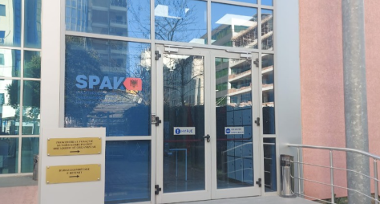
Some strategies for strengthening academic integrity include the use of plagiarism-detection software for every academic work, as plagiarism is widely spread in Albanian universities. For example, a study examining the scientific output of 26 university lecturers—including eleven professors and others holding PhDs—found that out of 59 research articles, 52 had inadequate citation practices, while 23 contained plagiarized content with no source attribution. Meanwhile, lecturer and former Deputy Minister of Education Taulant Muka, in June of this year, submitted to SPAK a 400-page plagiarism file regarding the rector of the University of Tirana (UT) and more than 50 UT professors.
Other strategies include codes of ethics and real sanctions for violations committed by students and lecturers, digitization of exam and grading systems to reduce manual interference and corruption, training on academic ethics for lecturers and students to promote new values, as well as the internationalization of universities and cooperation with foreign institutions that require high ethical standards. Some of these strategies have recently begun to be implemented.
The benefits derived from coalitions for clean universities are multi-dimensional: public trust in universities and their degrees increases, the quality of education is strengthened, the international competitiveness of Albanian students grows, unfair practices that discourage honest students are prevented, and a fairer, knowledge-based society is built, where meritocracy is valued above all else.
Coalitions for clean universities represent a strategic necessity for the future of higher education in Albania. Academic integrity cannot remain an individual responsibility but must be built as a collective culture in which each actor has a clear role. Only through broad cooperation and rigorous implementation of ethical standards can Albanian universities gain credibility, strengthen educational quality, and prepare generations capable of contributing to the development of a democratic, knowledge-based society.
This article was prepared by the Albanian Institute for International Studies (AIIS) as part of a sub-grant awarded by the Albanian Helsinki Committee (KShH) within the project “Civil Society Against Corruption: from a Local Challenge to a European Response,” financially supported by the European Union. Responsibility for the content lies solely with the Albanian Institute for International Studies (AIIS) and does not necessarily reflect the views of the European Union or the Albanian Helsinki Committee.