
TIRANA, July 21 – UNICEF published a new report on the growing HIV epidemic in the regions of Eastern Europe and Central Asia (entitled “Blame and Banishment: The underground HIV epidemic affecting children in Eastern Europe and Central Asia).
That exposes the problems faced by children and adults living with HIV, as well as highlighting the reasons behind the increasing number of cases – drug use, high-risk sexual behavior and the social stigma which prevents people from seeking information and treatment.
The region is home to 3.7 million injecting drug users, which equates to almost a quarter of the world’s total.
In Albania, the charity World Vision has been working to spread information and awareness about AIDS by using young people themselves. In October 2007, the charity started its ‘HIV Prevention and Advocacy’ project in the rural villages of Vlora, Librazhd, Shkodra, Kurbin and Lezha.
The project aims to spread awareness among the youths of these communities, by taking groups of students (45 high school and 15 university) and training them in aspects of HIV and prevention, as well as the risks of alcohol and drug abuse.
60 health personnel are also being trained through the project to increase awareness of HIV related issues and with the view to de-stigmatizing the disease.
Though confirmed cases of HIV/AIDS still remain relatively low in Albania, with 350 registered (15 of whom are children) up to October 2009, there is a real danger of numbers escalating fast, particularly as migrant workers bring the disease back from other countries.
Since the 1990s, Albania has seen a continuous movement of its population both within the country and abroad, as seasonal workers travel around to find jobs. With an extremely low awareness about HIV, the population is therefore particularly vulnerable.
Albania’s youth help tackle the threat of AIDS

Change font size:


Latest from News

Milošević’s Language Returns to Serbia’s Government
Change font size: - + Reset Ethnic Cleansing Remark Tests Serbia’s Claim to Have Broken With Milošević A Serbian minister’s declared willingness to expel Kosovo Albanians has drawn condemnation across the region
Saudi Ambassador Meets Head of Albania–Saudi Parliamentary Friendship Group
Change font size: - + Reset Tirana Times, July 6,2026 – Saudi Arabia’s Ambassador to Albania, H.E. Turki bin Ibrahim Al-Madi, received Albanian MP Baldi Çomo, Chairman of the Albania–Saudi Arabia Parliamentary Friendship

Anti-Government Protests Escalate in Tirana as Demonstrators Block Parliament
Change font size: - + Reset Tirana Times, July 03, 2026 – Albania’s month-long anti-government protest movement entered a more confrontational phase on Thursday, as demonstrators gathered outside Parliament, blocked access points
Are Europe’s Star Architects Helping Launder Albania’s Criminal Economy?
Change font size: - + Reset The Albanian Files suggests that international architecture may have served not only as design, but as a prestigious façade for opaque money, captured institutions and one-man
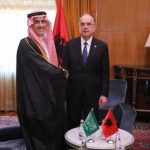
Saudi Ambassador Presents Credentials To Albanian President As Ties Gain Momentum
Change font size: - + Reset Tirana Times, June 05, 2026 – Saudi Arabia’s new ambassador to Albania, Turki Ibraheem Almadhi, presented his credentials to President Bajram Begaj, marking the formal start