TIRANA, Aug. 1 – Commercial banks have identified a rise in informal borrowing by both businesses and households as a key concern for poor demand for new loans.
The alarm comes as credit officially stands at negative growth rates and real growth is estimated at modest rates considering the write-off effect of non-performing loans that have spent three years in the ‘loss’ category.
It also comes at a time when business and consumer confidence suffered a blow in the second quarter of 2017 ahead of the June 25 general elections due to political and economic uncertainties as the main two parties put an end to a three-month political deadlock only in mid-May under a last-minute deal ahead of the electoral campaign kickoff.
A survey carried out by the central shows informal borrowing remains a widespread phenomenon, especially among debtor households, two-thirds of whom borrow informally mainly in cash. The situation is not as problematic in the private sector where only 4 percent of the enterprises are estimated to borrow from sources outside the banking system.
Banks reported lower demand for new loans in the second quarter of the year as a result of the use of alternative sources of financing outside the banking system, says a central bank survey on lending in the second quarter of the year.
Banking experts say the presence of alternative financing sources and poor consumer confidence has had a negative impact on business and household demand for new loans since the final quarter of 2016.
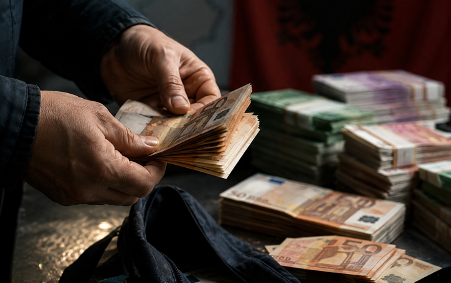
Local media report a rise in informal borrowing even among business owners who often use contracts signed by notaries public or no contract at all due to tight lending standards applied by banks as non-performing loans stand at about 17 percent. The process often leads to conflicts between borrowers and informal lenders, due to difficulty to collect debts in case of default.
An increase in deposit withdrawals and money outside banks in the first half of this year, in addition to its traditional trend in electoral years during the past 25 years, also hints an hike in informal lending.
Anecdotal evidence suggest even cannabis money from increased cultivation in the past couple of years is being used in informal lending.
Average loan rates in the national currency slightly rose to 7.5 percent in June 2017 and were up to 4.5 percent for loans denominated in Europe’s single currency. Meanwhile, deposit rates stand close to zero, reflecting historic low key interest rates applied by central banks.