
TIRANA, March.24 – BoA has confirmed with its research data that the widest used currency in Albania is the euro, taking the traditional role of confidence once possessed by the dollar, especially during the first transition years. Euro is becoming prominent in all the function previously done by the dollar like housing projects, airplane tickets, service sectors and deposits in banks.
The real inflation rate thus cannot be a reliable figure because a lot of the transactions are not done in the domestic lek. Moreover, the extensive use of foreign currency makes monetary policies less effective.
In the most recent study addressing trends in monetary policy BoA says that there is a very high degree of euro transactions that makes monetary policy escape the parameters of developed financial market requirements. It also adds that the money market is characterized by extreme versions of liquidity, either lack of it or surplus. Addressing the efficiency of monetary policies BoA illustrates the problem with an example. If the bank operates to, lower or increase the value of lek, it will only touch the sectors that operate in domestic currency and not the entire economy. This would leave indifferent a large part of the economy, such as the real estate sector or even construction that use the euro. This would put the latter under the influence of the Central European Bank.
Euro entered the markets in 2001 and even then within the year the dollar presence in Albania was lowered by 30 percent. The use of the foreign currencies (euro or dollar) has been dependent on macroeconomic and financial stability with every crisis provoking a larger use of currencies with confidence. Actually the confidence level explains the phenomena better than the difference between interest rates between different deposits. The later is no more than 0,7 percent.
BoA concerned by the extensive use of euro transactions in Albania

Change font size:
Recommended Articles

Latest from Business & Economy

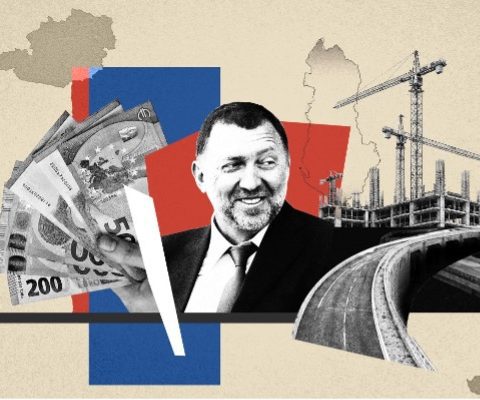
How a Sanctioned Russian Oligarch’s Business Interests Reached Albanian Public Contracts
Change font size: - + Reset Millions of euros flowed to companies linked to Strabag while Oleg Deripaska remained a major shareholder, exposing gaps in Albania’s ability to identify who ultimately benefits
Albania’s Cash Boom Raises Money Laundering Concerns
Change font size: - + Reset Cash outside Albania’s banking system reached a record 5.6 billion euros, last month. Tirana Times, August 30, 2026 – The amount of cash circulating outside Albania’s

Vlora Airport Heads to Arbitration
Change font size: - + Reset Albania faces another potentially costly international dispute after losing several arbitration cases in recent years that have exposed the state to hundreds of millions of euros

Concrete, Cocaine and Corruption: Albania’s Fragile Growth Model
Change font size: - + Reset Albania’s Concrete Economy: How Construction Became the Country’s Dominant Growth Model Tirana Times, July 10, 2026 – A booming construction sector has made Albania an outlier

Austria Leads FDI, but Real Estate Tells the Bigger Story
Change font size: - + Reset Bank of Albania data show Austria topping first-quarter foreign investment flows, while property and construction continue to shape Albania’s FDI model. Tirana Times June 25, 2026