Tirana Times
TIRANA, June 8 -Beside fighting organized crime, upgrading the level of its administration and other issues, fighting corruption remains very high on the Albanian government’s agenda. Albania, now a NATO member, is looking to become a member of the European Union one day.
But the European Union has made continuous calls and requests on the country that is still mired in corruption, despite the fact that its government proclaims “zero tolerance” for corrupt behavior.
Brussels insists it won’t be repeating the mistakes it made by allowing Bulgaria and Romania to join before they had dealt with endemic corruption.
Brussels would apply tougher rules next time. It’s a problem that continues today as EU membership has not been a sufficient stimulus to root out corruption and organized crime in either place.
Brussels will focus even more and at an earlier stage on the fight against corruption, administrative and judicial reform and the rule of law in Albania and other EU possible candidates.
Albania, which applied for EU membership in April 2009 and joined NATO the same year, also continues to score poorly in domestic and internationally-conducted corruption surveys and reports.
Following the collapse of its Stalinist regime nearly two decades ago, graft has been endemic, which is hampering its further integration into the EU.
A survey last November published by the Gallup Balkan Monitor, the biggest public opinion survey ever conducted in the region, found that 52 per cent of Albanians said they had to pay a bribe in the past year. That was by far the highest figure in the Balkans.
A study conducted by the Institute for Development and Research Alternatives, IDRA, found the Albanian public’s experience and perception of corruption worsened last year. Around 49 per cent think that corruption has increased compared with a year ago. Customs officials, tax officials, ministers, parliamentarians and doctors are perceived as the most corrupt.
This view of corruption levels in Albania is shared by the Council of Europe which says corruption and organized crime in Albania represent the “single biggest threat to the functioning of democratic institutions and the rule of law”.
The World Bank, meanwhile, calls Albania the most corrupt country in the Western Balkans. Organized crime is a particular problem but some insist the situation isn’t that bad.
There are voices saying that organized crime syndicates receive much media attention and often enjoy political protection. That does not mean, however, they have developed to the level of infamous groups like the Sicilian mafia.
The 2007 appointment of general prosecutor Ina Rama in Albania resulted in a series of probes reaching the highest echelons of power. However, few have progressed as despite its “zero tolerance” policy toward corruption, the government of prime minister Sali Berisha has attacked her for filing court cases against two key ministers. They were later scrapped by the Supreme Court.
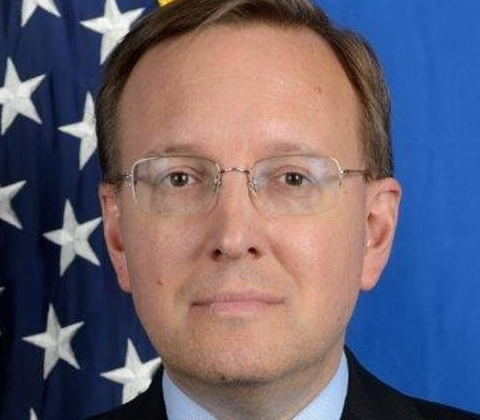
The EU and the US have come out publicly to defend Rama’s work. “General prosecutor Ina Rama has exhibited dedication and commitment in protecting the integrity and the independence of her office,” said US ambassador John L Withers during a meeting with Rama in the Tirana prosecutor’s office in March.
Though the government has massively reduced human smuggling in the Adriatic Sea over the past four years by banning speedboats on its coast, drug trafficking and cultivation have remained a problem.
“In response to international pressure and with international assistance, the government of Albania is confronting criminal elements more aggressively but continues to be hampered by a lack of resources and endemic corruption,” notes a US State Department International Strategy for Narcotics Control report.
Albania has also continued its extreme step of prohibiting all speedboats from operating in its waters, other than those legalized for transport and fishing.
But Europe is asking Tirana to give records of how it is fighting corruption and the persons, or officials involved in that. That is a benchmark the country should fulfill and a bell which is going to ring for much longer time to the Tirana ears as it tried to become a EU partner.