TIRANA, May 9 – The Dutch government sent seven of its main parties’ lawmakers to Tirana this week in a fact-gathering mission, as Albania awaits EU member states to give their verdict concerning the opening of accession negotiations in June.
The Netherlands, along with France and Germany, is one of the most sceptic EU member states but, unlike France, which is hesitating due to internal EU problems, and Germany, whose lawmakers seem to be divided, the Netherlands has directly addressed corruption and the rule of law as Albania’s main EU integration drawbacks.
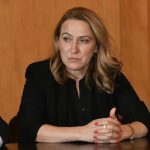
“Our government is extremely hesitant to open accession negotiations with Albania at this moment. This is why our parliament decided to organize this fact-gathering mission with members from seven different Dutch political parties, so all main parties are here. Following we will have a debate on how the implementation of the five priorities is going. Our government will have the last world, but it first needs parliamentary approval,” a representative of the Dutch delegation told local media.
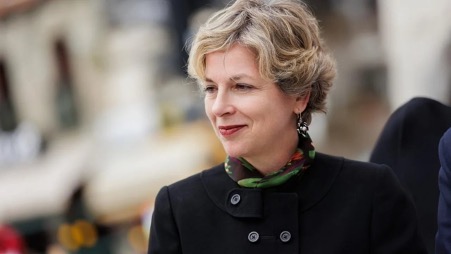
According to the Dutch delegation, more work needs to be done in the rule of law area, while the independent judicial system should investigate corrupt top officials in addition to the ‘small fish.’
Meanwhile, Albanian lawmakers from opposite sides of the political spectrum had differing opinions on what came out of the talks with the Dutch delegation.
“The opposition asked the Dutch parliament to support opening negotiations. They are worried about criminality and drugs. Our stand was that opening negotiations will allow a closer monitoring of the government. The Netherlands is hesitant due to Albanian criminality in Amsterdam and Rotterdam, but also its increase within Albania,” Democrat lawmaker Jorida Tabaku told local media.
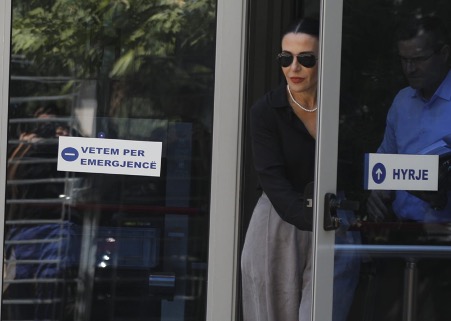
Socialist Head of the Foreign Affairs Parliamentary Commission Mimi Kodheli, on the other hand, said the delegation had been informed on the top five key priorities by both the government and opposition and that the meeting was fruitful, leaving government members optimistic.
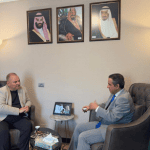
During their two-day stay, the delegation met Minister of Foreign Affairs Ditmir Bushati, Prime Minister Edi Rama, head of the Democratic Party opposition Lulzim Basha, President Ilir Meta and the Speaker of Parliament Gramoz Ruci.
At the end of their visit, the lawmakers are expected to compile a report to be submitted to the Dutch parliament.