TIRANA, Oct. 4 – The performance of retail sales and turnover index indicates the Albanian economy continued growing at a moderate pace in the second quarter of the year after picking up by an annual 3 percent in January-March 2016.
Data published by state statistical institute, INSTAT, ahead of the GDP publication show retail sales recovered by 6.2 percent in the second quarter of the year fueled by a 9.6 percent increase in the volume of sales in non-specialized and specialized ‘food, beverage and tobacco’ stores.
The volume of fuel retail sales dropped by 1.2 percent, declining for the sixth quarter in a row, unveiling poor demand as oil prices have only slightly reflected the sharp cut in international prices due to the high level of fixed taxes Albania applies on fuel.
Meanwhile, the turnover index in the industry, energy, construction and services sectors was up by only 0.3 percent in the second quarter of the year, negatively affected by industry which registered an annual 17 percent decline due a slump in international commodity prices.
The extractive industry which registered a sharp 36 percent decline in its turnover index, also cut its workforce by 10 percent in the second quarter of the year to handle the sharp cut in international oil and mineral prices.
Other indirect data shows the value added tax, Albania’s key tax levied at a fixed 20 percent rate on almost every product and service and an indicator of domestic consumption, grew by a moderate 8.3 percent in the first half of this year, despite a late 2015 nationwide campaign against informality forcing thousands of businesses previously operating informally to register with the authorities.
Meanwhile, imports of machinery, equipment and spare parts, also indirectly measuring private investment, grew by 16 percent to €436 million in the first half of this year.
Albania’s poorly diversified exports in the first half of this year dropped by 8.7 percent, negatively affected by the slump in commodity prices while consumer prices increased by a mere 0.7 percent, hitting a 16-year low.
Foreign direct investment suffered a 12 percent decline to €418 million in the first half of this year as investment in the domestic oil production, one of the key drivers of Albania’s FDI in the past few years, dropped by four times.
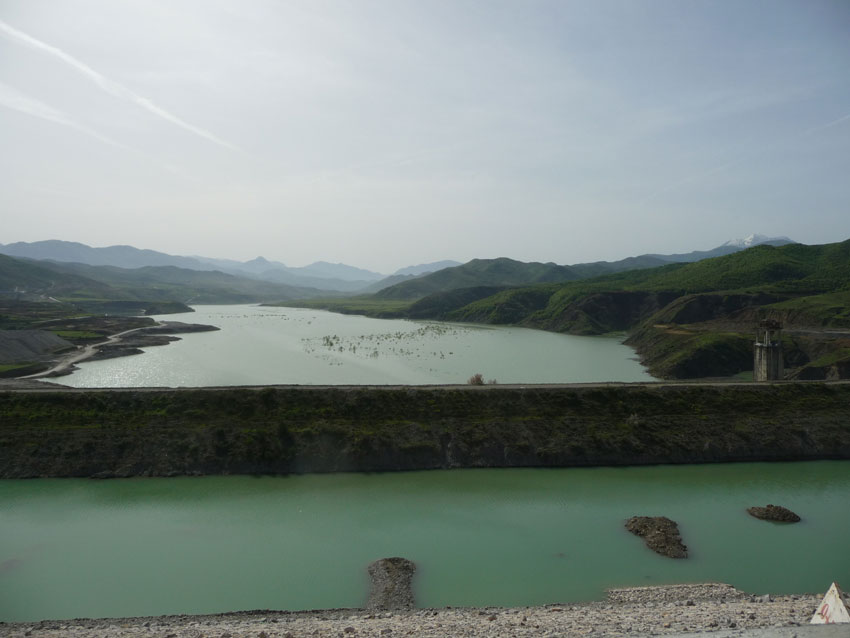
FDI in the first half of this year was fuelled by the Trans Adriatic Pipeline and the Devoll hydropower plant, two major energy related projects.
Tourism revenue registered a considerable increase in the first half of this year ahead of the peak season in the third quarter of the year, when it grew by 7.7 percent to €640 million.
The Albanian economy grew by 3 percent in the first quarter of 2016 fueled by a tough late-2015 nationwide campaign against informality formalizing thousands of previously unregistered businesses and the ongoing construction of some major energy-related projects by foreign investors. The first quarter growth is almost in line with the government’s expectations of a 3.4 percent growth for 2016, which are slightly more optimistic compared to the central bank and international financial institutions forecasts of 3 to 3.2 percent.
The Albanian economy has grown by 1 to 3 percent in the past seven crisis years compared to a pre-crisis decade of 6 percent.