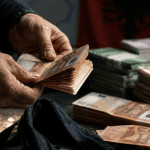
Power prices during the past six years have increased by 63 percent climbing from an average of 5.71 kWh in 2005 to 9.53 lek/kWh currently
By Ervin Lisaku
TIRANA, Dec. 7 – Albania’s Energy Regulatory Entity (ERE) failed to make a decision this week over new power prices for the next three years citing lack of information over investments plans by the distribution system operator CEZ Shperndarje, and four state-owned hydropower plants scheduled for privatization. Speaking on Wednesday’s meeting, ERE’s head Sokol Ramadani told reporters the independent decision making body on energy prices needs to update data on investments plans by Czech-owned CEZ Shperndarje and the four small and medium-sized hydropower plants government intends to sell before taking its final decision.
Facing pressure to increase power prices by the two state owned companies, power utility KESH and transmission operator OST, as well as private CEZ Shperndarje, the ERE board of commissioners decided to postpone the decision-making on energy prices which this time will be in force for the 2012-2014 period. The decision will be made next week, with Wednesday, December 14 as the final deadline, ERE officials said.
While government officials say power prices must not further increase and opposition officials have called for a cut in VAT on electricity bills from 20 percent to 6 percent, the Energy Regulatory Entity will probably not approve new price hikes at a time of global crisis leaving energy prices unchanged as it did last year. The business community represented by Konfindustria has also described possible new increases in power prices as unacceptable, warning that it would have severe consequences for the domestic industries and potential foreign investors.
Power prices during the past six years since the ruling Democratic Party came to power have increased by 63 percent climbing from an average of 5.71 kWh in 2005 to 9.53 lek kWh currently. Albania’s power distribution operator, CEZ Shperndarje has applied for a 4.5 percent increase in electricity prices for next year citing high inflation rates, increased price of imported electricity and rising power meter costs. In its official application, CEZ Shperndarje cites inflation rate which in 2010 was at 3.6 percent, and increased cost for power meters, making their certification by an independent laboratory compulsory.
Meanwhile, state-owned power corporation, KESH, has proposed raising electricity prices for CEZ Shperndarje distribution operator by 3.4 times compared to the current tariff. The proposal submitted to the Regulatory Energy Entity foresees increasing the tariff to 5.03 lek/kWh, from 1.48 lek/kWh currently. KESH director Engjell Zeqo says that last year’s decrease of tariffs by ERE caused the state-owned company millions of euros in damage.
State-owned Transmission System Operator, OST, has also applied for an increase by 0.13 lek kwh to 0.73 lek citing power grid investments.
Last December, Albania’s Energy Regulatory Agency (ERE) decided to keep electricity prices for 2011 unchanged, turning down requests by the three local operators who had wanted to increase power prices by an average of 12 percent.
ERE’s board of Commissioners decided to continue applying the two-tier price level, under which Albanian households will pay 7.7 lek/kWh for a consumption of up to 300 kWh a month and 13.5 lek for each kWh they consume above the 300 kWh threshold.
However, the ERE decision obliged state owned electricity producer KESH to sell energy to private distribution operator CEZ at 1.48 lek kWh starting from next January, down from 2.03 lek currently, considerably increasing the Czech company’s revenues which had desperately demanded price increase to handle rising costs and new grid investments.
Back in 2009, CEZ had requested a 24 percent price increase in electricity for 2010 but the Energy Regulatory Entity approved only a 13 percent increase which entered into force on January, 1 2010.
In March 2009, CEZ signed a contract with the Albanian government after buying 76 percent of OSSH’s state-owned shares for 102 million Euros. Low rainfall has severely affected domestic electricity production during the first half of this year in Albania. The situation was a result of the drop in hydro-electricity production which accounts for 96.1 of total domestic production.
New power contracts for 2012
Staring from Jan. 1, 2012 Albanian household and business power consumers will sign a new contract with CEZ Shperndarje.
The new contract, recently approved by the Energy Regulatory Entity (ERE), obliges CEZ to provide 24/7 power supply and compensate household or business consumers under the regulation on “quality of distribution service and sale of electricity” unless the power is cut because of force majeure, safety conditions, planned repairs, and cuts originating from the transmission system.
Most importantly, CEZ is also obliged to respect power quality parameters which vary from +/-5% for Tirana, +5/-15% for other urban areas and +5/-20% for rural areas.
“The electricity supplier is responsible for the damage the customers may suffer because of voltage fluctuations,” says article 15.6 of the contract. If not settled by mutual consent, the damaged is determined by a court decision.
The contract allows consumers to file complaints when overcharged and benefit automatic compensation of 2,000 lek in case CEZ shperndarje does not respond to their complaints within 30 working days.
The new regulation considers each cut lasting for more than 10 minutes as a long one. Describing the review of the current contract as necessary following the privatization of the distribution operator by CEZ, ERE says the improvement is aimed at guaranteeing quality standards and offer consumers full protection in their relations with the provider of this basic service.