
PRISHTINA, June 8 – Ethnic Albanian leaders in Kosova expressed their anger following a proposal by the new French president, Nicolas Sarkozy, to delay a decision on the province’s future.
They insisted that the West should go ahead with a U.N. plan to grant independence, warning that patience is running thin. Sarkozy suggested at the G8 summit that Serbia and Prishtina should be given six months to work out a deal.
This followed opposition to the proposal by Russian President Vladimir Putin. Kosova Prime Minister Agim Ceku said his province had trusted the international community to reach a solution concluding in independence. He further said citizens of Kosova have remained very patient as they tried to remain committed to the U.N. path. “I urge you, do not betray this trust.”
Ceku urged the international community to quickly approve a U.N. resolution on Kosova.
“We cannot wait forever,” Ceku said. “Give us clarity, give us freedom and let us go.”
Ceku was also supported by President Fatmir Sejdiu, who said they were looking to the U.N. Security Council to quickly approve a new resolution that would pave the way for independence for the province.
Hashim Thaci, the main opposition Democratic Party leader in Kosova, urged “the U.S. president, EU and U.N. not to support delay, but strengthen their support…for a new resolution that would pave the way immediately to declare Kosova independent.” “The time for independence is now. Every day that is wasted is bad, as it could cause new dilemmas.”
Kosova Albanians have indicated they will declare independence if the resolution is vetoed.
Another ethnic Albanian leader, Veton Surroi, said the U.N. resolution should move forward despite threats of a veto. “Kosova cannot be kept hostage by a veto threat,” he said.
Martti Ahtisaari, the U.N. envoy in charge of the Prishtina-Belgrade talks, has recommended the province be granted internationally supervised independence and his plan has introduced a set of measures to give Serbs living in Kosova broader rights.
The plan has been endorsed, though not yet formally, by the United States and key European countries at the U.N. Security Council, but are opposed by Russia, a traditional ally of Serbia, which wants to keep Kosova within its borders. The top U.S. diplomat in Kosova, Tina Kaidanow, said G-8 leaders “did not reach any agreement on Sarkozy’s proposal or another way forward for Kosova” and appealed for patience. Luckily the U.S. President George Bush’s visit on Sunday, left no space for ambiguity when he clearly called for a quick resolution of the status in favor of the independence option.
Kosova Albanian leaders angry at possible delay in its independence

Change font size:
Latest from News
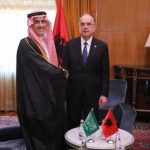
Saudi Ambassador Presents Credentials To Albanian President As Ties Gain Momentum
Change font size: - + Reset Tirana Times, June 05, 2026 – Saudi Arabia’s new ambassador to Albania, Turki Ibraheem Almadhi, presented his credentials to President Bajram Begaj, marking the formal start
Germany’s New Enlargement Formula and Albania’s European Illusion
Change font size: - + Reset For Albania, the real issue is not which accession model Europe chooses, but whether democracy, rule of law, and state integrity can still be restored. By

Pushing Against Inertia: How Harnex Is Testing the Balkans’ Appetite for Innovation
Change font size: - + Reset Tirana loves a good spectacle. Walk through the capital today and you are greeted by sleek new glass towers, vibrant urban spaces, and a relentless political
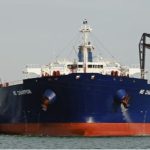
Shadow Fleet, Weak Oversight: How Russian Sanctions Evasion Reached Albania’s Ports
Change font size: - + Reset Tirana Times, May 18, 2026 – Albania’s ports have emerged as a potential weak point in the international effort to enforce sanctions against Russia, following revelations
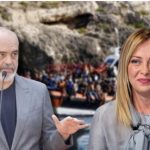
Albania–Italy Migration Deal Continues
Change font size: - + Reset Tirana Times, May 13, 2026 — The Albania–Italy migration agreement remains in force, despite a brief but politically sensitive controversy triggered by comments from Albanian Foreign Minister Ferit