
TIRANA, Oct 21 – Sweden took over the Presidency of the European Union on July 1st, 2009 and will hold it until December this year. During 2010, the EU Presidency will be held by Spain and Belgium.
With Sweden at the helm, the EU has to take on challenges related to changes brought about by the Lisbon Treaty, global economic crisis, and strengthening of its ever increasing role in the international arena.
The long debated EU enlargement process is expected to proceed easier and certainly; Croatia and Iceland followed by the Western Balkan countries will be the main beneficiaries of this new reality.
The attention of the EU leadership during this period was concentrated on the ratification of the Lisbon Treaty, which was approved in the referenda by the Irish on the 3rd of October and is expected to enter into force on 1 January 2010. The Lisbon Treaty does not thoroughly increase the powers of the EU but attempts to bolster the decision-making efficiency and democracy.
The new Treaty brings new possibilities for the EU enlargement, as the only realistic incentive for an enlargement based on clear rules without changing the accession procedures and practices followed so far.
Future enlargement of the EU has turned into an Achilles heel for each of the Presidencies. The experience from EU enlargement of 1 May 2004, which is the biggest enlargement that the EU has witnessed during its existence, left loopholes open for skepticism and speculations on the EU’s future. Despite such experience, the current Presidency articulates optimism regarding a further enlargement of the EU, considering the enlargement a main priority.
Swedish Minister of Foreign Affairs, Carl Bildt, is a supporter of the enlargement and knowledgeable on the Balkan conflicts. He stated that, “Enlargement is still the European Union’s primary instrument for creating security, prosperity and democracy in Europe.
“Albania is facing two fundamental challenges on its path towards European Integration: the initiation of the procedure by the Council of the European Union to consider its EU membership application and the visa liberalization process.”
Although Albania submitted its application for EU membership on 28 April 2009, the Czech Presidency, the European Commission and EU Member States declared in full agreement that the application shall be seen in close relation to the conduct of the parliamentary election of 28 June 2009.
According to the Enlargement Commissioner Olli Rehn, “Ʈow that the elections have been completed in line with most OSCE commitments, there are important challenges ahead in terms of advancing the reform agenda.”
The conditional stance of the opposition to the Assembly of Albania seems to have encouraged Commissioner Rehn to urge the Prime Minister and his government, “ƴo work together with the opposition in Parliament on furthering the European reform agenda”.
Most likely, the Council of European Union within October-November 2009, in one of its meetings, will give the mandate to the European Commission to prepare the avis for Albania, which would mark the start of the examination of Albania’s application.
Similar to the case of Montenegro, the Council will make a decision on Albania’s application, considering it as an “A” issue, which is not put forward for voting. Under normal circumstances, the questionnaire is expected to be handed to the Albanian government by winter, reflecting also the findings of the EC progress report published on 14 October 2009.
Regarding the visa liberalization process, the Swedish Presidency has continuously made its will clear, to have within autumn a positive decision on some of the Western Balkan Countries (FYROM, Serbia, Montenegro) which have met the benchmarks embodied in the Visa Liberalization Roadmap.
At the same time, the Swedish Presidency “encourages Albania and Bosnia and Herzegovina to accelerate the necessary reforms, so that visa requirements are lifted as early as possible for their citizens.” Therefore, the challenge to accelerate the lifting of the visa regime for Albania goes through meeting the Roadmap benchmarks.
The procedure followed with the application of Montenegro and might serve as a positive precedent for the application of Albania.
Concerning the visa liberalization process, Bosnia and Herzegovina and Albania rank the same, which implies the fulfillment of all Roadmap standards so that their citizens will be entitled to a visa free regime for the Schengen area.
Kosovo continues to be a sui generis case.
During 2010 Sweden will convey the Presidency to Spain and Belgium, which, due to developments in countries of the region, are expected to play a vital role in their European integration process.
2010 shall be decisive for paving the way for Albania and Bosnia and Herzegovina towards a visa free regime in the Schengen area. 2010 will also demonstrate the EU’s resolution to separate the issue of Kosovo’s legal status apart from the visa liberalization perspective that citizens of Kosovo must benefit from. At the same time, next year shall also serve as a test for the citizens of FYROM, Serbia, and Montenegro, which will travel without visas in the Schengen area.
Swedish EU Presidency and the enlargement process

Change font size:

Latest from News
Saudi Ambassador Presents Credentials To Albanian President As Ties Gain Momentum
Change font size: - + Reset Tirana Times, June 05, 2026 – Saudi Arabia’s new ambassador to Albania, Turki Ibraheem Almadhi, presented his credentials to President Bajram Begaj, marking the formal start

Germany’s New Enlargement Formula and Albania’s European Illusion
Change font size: - + Reset For Albania, the real issue is not which accession model Europe chooses, but whether democracy, rule of law, and state integrity can still be restored. By

Pushing Against Inertia: How Harnex Is Testing the Balkans’ Appetite for Innovation
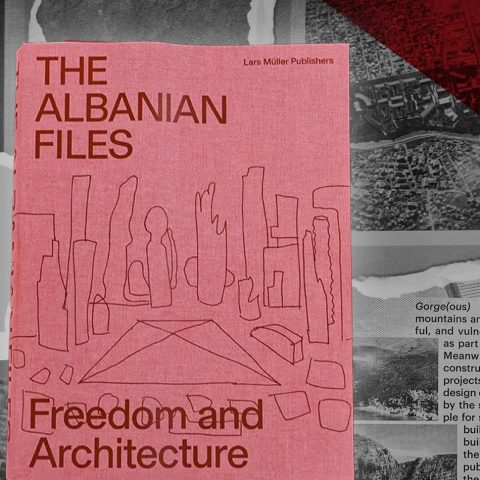
Change font size: - + Reset Tirana loves a good spectacle. Walk through the capital today and you are greeted by sleek new glass towers, vibrant urban spaces, and a relentless political
Shadow Fleet, Weak Oversight: How Russian Sanctions Evasion Reached Albania’s Ports
Change font size: - + Reset Tirana Times, May 18, 2026 – Albania’s ports have emerged as a potential weak point in the international effort to enforce sanctions against Russia, following revelations
Albania–Italy Migration Deal Continues
Change font size: - + Reset Tirana Times, May 13, 2026 — The Albania–Italy migration agreement remains in force, despite a brief but politically sensitive controversy triggered by comments from Albanian Foreign Minister Ferit