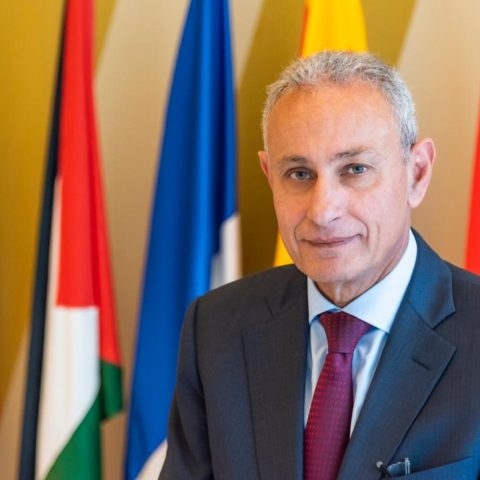
“The main possible chains of impact are through remittances and, to a lesser extent, trade. Both have already shrunk in the last two years and not only directly with Greece but also with other European countries where recovery remains weak,” says the World Bank’s Kseniya Lvovsky
TIRANA, July 18 – Kseniya Lvovsky, the World Bank Country Manager, says the financial crisis in neighboring Greece will most affect Albania in falling remittances and trade exchanges. In an interview with daily Telegraf, the World Bank says that it remains important to constantly strengthen the financial sector supervision.
“The situation in Greece, together with the continued problems in some other Eurozone countries, is of concern for Albania’s economic outlook, as well as for other countries in South-East Europe. The main possible chains of impact are through remittances and, to a lesser extent, trade. Both have already shrunk in the last two years and not only directly with Greece but also with other European countries where recovery remains weak. The financial sector channel is expected to have a limited impact given the robustness of Albania’s banking sector, including Greek subsidiary banks, while it remains important to constantly strengthen financial sector supervision and regulation,” said Lvovsky.
Official data show both remittances from Greece and exports to it have been affected during the past two years.
Bank of Albania data show exports to Greece dropped to 56 million Euros in 2009 and 62 million Euros in 2010, down from 80 million Euros in 2008, just before the crisis broke out.
Meanwhile, Albanian imports from Greece have also been in decline since 2008 when they reached a record 524 million Euros. Imports from Greece in 2009 fell to 505 million Euros and 459 million Euros in 2010.
As elsewhere in the region, Albanian banks witnessed substantial panic deposit withdrawals in the face of spillovers from instability of global financial markets, which were compounded by concerns about the health of the Greek banking system in 2008.
Concern over the severe financial crisis in neighboring Greece is growing even in Albania as thousands of immigrants working there have lost their jobs, severely affecting remittances which remain a vital source of income for their families. Albanian migrants continue to return to Greece, some permanently and others temporarily until the Greek situation improves. Dozens of manufacturing businesses in southern Albania, which export footwear and clothing products to Greece, have also been severely affected by the escalation of the crisis, as it has resulted in a sharp drop in demand and payment delays.