
There is no specific reason why one should even believe, let alone get enthusiastic by a political promise especially when made in an electoral context. Yet there is this one single statement that strikes right to the heart of every Albanian as the ultimate dream to be realized: 24 hours of electric power for everyone!
You would think that with the deep structural problems of the Albanian power generating and distributing system, with the aggravated financial troubles of KESH and the inconsistent strategies of imports, politicians would refrain from using this statement as an electoral mana. However wise this logic may sound to the common-sense, there is a deep antagonism in Albanian politics towards the general practice of refraining. Why refrain if your rival will definitely play the quasi-biblical promise as a magic card?
I will be the first to admit it, there is something magic about this promise. I almost fall for it very single time. The absurdness of a power-crisis and the pure despair it causes to our economic and social life is so unbearable that one cannot refuse to place some hope in this statement. Perhaps with the right management, KESH could restructure its organization, improve the revenue collection, design a proper import scheme and at least avoid full-swing crisis. Every business-school student knows that for a big complex corporation, management could never be overstated. It’s the key to success or the determinant factor to loss. Examples of decent performance do not lack even in this case. Albanians remember fondly the good times of lighter energy starvation for example when Andis Harasani was head of KESH. Yet when you have a corporation that administers a system on the verge of a collapse, you have to calculate very well your expectations.
First the excess reliance on hydro-power ties up our energy consumption to unreliable and uncontrollable factors such as weather and specifically rainfall. Measures to reduce this dependency have been at best clumsy and scandal-ridden such as faulty tenders for thermo-power facilities and inconsistent encouragement of similar projects.
Second, the distribution system is outdated. The rate with which it collapses is daunting. There is a mysterious lack of proper investment to secure safer transmission lines.
Third, the privatization of the corporation is being assaulted by an illness common to all privatization projects in Albania: procrastination. Without the right restructuring of the departments, a process which is ongoing as we speak, one cannot place a safe bet on the desirability of this firm.
Finally, the import strategies are perplexingly different every year. Either the statistics of estimated consumption are incorrect or the claims of severe corruption related to energy purchase are well rooted in factual reality.
Throw in the whims of neighboring countries that regulate the energy transfers through their lines and the picture gets even more disappointing.
The latest strategies of the government include the replacement of Andi Beli, accused as one of the major responsible people for the crisis, by Gjergj Bojaxhi, the creation of a separate agency to administer the energy sector and finally the concessions given for small hydropower units. Concessions are also being given to build thermo-power plants. The tenders for the purchase of energy will be regulated by more transparent procedures. The problem is that we have heard this before. Hence the mantra of ’24 hours of energy’ should not sound so appealing again.
The dream of 24 hours: new head, same challenge

Change font size:
Latest from Op-Ed

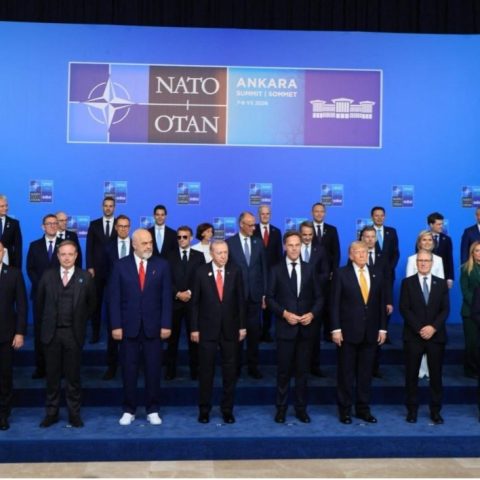
NATO’s Ankara Summit and Albania’s Uncertain Moment
Change font size: - + Reset Tirana Times, July 07, 2026 – The next NATO Summit, where the leaders of Allied member states gather annually, will take place on July 7–8, 2026,

A salute to America
Change font size: - + Reset By Marco Rubio Two hundred and fifty years ago today, in a brick hall in Philadelphia, our forefathers declared their independence from the most powerful empire

From the Nile to the Balkans
Change font size: - + Reset By Dr. Arben Ramkaj Tirana Times, July 3, 2026 – If you sit by the banks of the Nile on a quiet afternoon and allow its

The Strategic Price of Non-Enlargement
Change font size: - + Reset By Albert Rakipi Tirana Times, June 30, 2026 – For more than two decades, the Western Balkans have lived inside the promise of European integration. In

The Political Myth of the “Beautiful Protest”
Change font size: - + Reset A Barthesian Reading By Diana Gëllçi, Ph.D. Tirana Times, June 30, 2026 – A beautiful protest has been unfolding in Tirana for several weeks. What is particularly