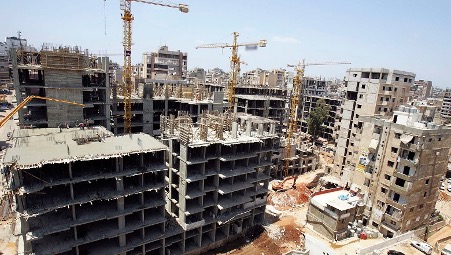
TIRANA, July 9 – Albania, Europe’s poorest country, will sell foreign currency bonds for the first time next year to raise money for new roads and power plants, central bank Governor Ardian Fullani said, according to the Bloomberg Financial News Service.
“Albania relies on international markets to finance its development,” Fullani said on the sidelines of a conference in Athens, Greece. “Many investors have shown interest in Albanian bonds. Our country is making a big step forward by moving from a country in transition to an emerging economy.”
On June 29, Moody’s Investors Service assigned Albania a B1 rating, four steps below investment grade, ranking it with Ukraine, Indonesia and Jamaica. Other Balkan nations such as Croatia and Bulgaria have a Baa3 rating, the lowest investment grade.
Albania’s $9 billion economy may grow 6 percent this year after a 5 percent expansion in 2006, “spurred mostly by an increase in domestic demand, strong credit growth and macroeconomic stability,” Fullani said. Annual inflation was 2.6 percent in May and has hovered around 3 percent over the past five years, he said.
An agreement with the European Union that began in December boosted trade, lending and consumption.
Also, gross domestic product per capita was $2,750 in 2006, compared with $10,700 in Bulgaria and $31,900 in Germany, World Bank figures show. Situated on the Adriatic coast between Serbia and Greece, Albania wants to develop its tourist industry, so “modern infrastructure is crucial,” Fullani said.
Additionally, annual remittances from Albanians residing in Greece and Italy amount to as much as $800 million, helping cover about 50 percent of the trade deficit.
“Albania is making a lot of effort to improve the economy,” Fullani said. “The government is working on a package of incentives to attract more investment.”
Albania has two series of bonds outstanding, known as the par bonds and the income notes, which were created from a restructuring of its debt in 1995.