
By Dr. Ibrahim Aktoz
Corporate Social Responsibility (CSR) is a concept that organizations, especially (but not only) corporations, have an obligation to consider the interests of customers, employees, shareholders, communities, and ecological considerations in all aspects of their operations. This obligation is seen to extend beyond their statutory obligation to comply with legislation.
CSR is closely linked with the principles of Sustainable Development, which argues that enterprises should make decisions based not only on financial factors such as profits or dividends, but also based on the immediate and long-term social and environmental consequences of their activities.
The issue of corporate social responsibility (CSR) – broadly defined to include such concepts as sustainability, sustainable development, triple bottom line, corporate citizenship, and sustainable enterprise management (including environmental issues) – is now challenging the very foundations of the business strategies of the world’s leading organizations. CSR is, however, one of the most complex challenges facing businesses today. To many, it is a guiding principle that underpins corporate vision, strategy and decision-making. To others, it represents a series of emerging issues that must be “managed” by the company in order to maintain its “license to operate”. Either way, the responsible, sustainable company realizes short-term success and builds a stable platform for future growth and profitability, while at the same time, acknowledging its economic, social, and environmental responsibilities and the needs and concerns of a wide range of stakeholders.
Corporate social responsibility is also a key issue for oil distribution sector to be addressed in a proactive and systematic manner and requires well researched and long-term solutions.
There is a growing pressure on oil distribution companies in relation to their impacts on, and role within society and communities in the countries where they operate.
Oil distribution companies face complex issues as many countries are often economically disadvantaged and characterized by an absence of the right human resources, inadequate physical and social infrastructure. In addition, companies must adapt to a variety of local conditions, legal regulations and social-cultural differences. This reality mostly pushes oil distribution companies seek to address these issues through policies, governance structures, internal business practices and operations as well as codes of conduct and engagement programmes. They also use tools such as social impact assessments and train staff on key issues such as stakeholder engagement, health-safety and environmental concerns.
Corporate social responsibility needs to be an important part of corporate strategy of oil distribution companies where inconsistencies arise between corporate profits and social goals, or else discord can arise over issues of fairness. A corporate social responsibility program can make executives aware of these conflicts and commit them to taking social interest seriously. It can also be critical to maintaining or improving staff morale, to the stock market’s assessment of a company’s risk and to negotiations with regulators.
Many companies are responding to the reporting pressures without first establishing how to entrench CSR in their operations and decision-making processes. Only when this is done will the true benefits be realised as the real risks can be managed and the opportunities realised on a sustainable basis.
For many oil distribution companies, health, safety and environmental concerns have long been ingrained in the way they do business within their own sites and amongst their own personnel. But even here, the challenge is broadening with increasing emphasis on active engagement with dealers and suppliers. In other areas, such as diversity, many firms now have policies and procedures in place, but would admit that they have a long way to go before their goals are achieved.
In Albanian oil distribution market, besides urgent need of a new energy law and many other regulations in conformity with international rules concerning fuel business and its players in oil distribution field, CSR concept still stands an unknown approach except for shareholder value and more profit expectation with an increasing market share.
It is obvious that main competition amongst oil distribution companies is mostly focused on price reducing aiming the ascending market share and shareholder value and expanding the point of sales in an sophisticated way instead of posing a stable pricing methodology complying with international oil prices, building their network through implementing internationally recognized health-safety environmental procedures and leading effective CSR policies for Albania and its valuable citizens.
Despite no regulatory body posing and inspecting CSR policies of those existing licensed players and strict regulations concerning the energy game applied, ALPET as first and sole ISO 9001-2000 certified oil distribution company in the market has already been the pioneer of CSR by health, safety and environmental regulations in accordance with international standarts built in its entire network before implementing the ALPET corporate identity, organizing plenty of training and seminars aimed at raising the awareness of all employees, dealers regarding safety standarts and increasing customer satisfaction through improving the quality of service and by importing of quite high quality oil products such as ultra light sulphur diesel 50 PPM(particule per million) meaning very low sulphur content and the lowest air and environmental pollution.
Apart form that, ALPET also plays a key role in its domain arranging many social-cultural events as principal sponsor to contribute in posing a better and adorable social life in Albania.
In today’s oil distribution industry it is no longer possible for an oil distribution company to focus solely on deriving value only for its shareholders. Instead governments and society at large have begun a robust campaign to ensure that oil distribution companies are addressing long-term issues and have a clear and articulated strategy to both be profitable and responsible at the same time. The only way in which oil distribution companies can achieve this is to first gain the trust of their key stakeholders. Whether these be investors, regulators, employees, or others, it is fundamental that their operations are conducted in a responsible and sustainable way. Oil companies are increasingly facing broad requirements under which they are expected to identify and respond to stakeholder and societal needs.
The risks posed to the business and its reputation are correspondingly diverse.
Reputation is an intangible asset, but you build it with material that is absolutely tangible. Acting with social and environmental responsibility is a key part of building an oil distribution company’s reputation, which is proven by whether or not the company survives. It’s intelligent policy to be committed on these issues.
The key point of CSR for oil distribution sector is that debate about the social-environmental impacts mostly focusing on health-safety and environmental concerns of oil business in the countries where they operate. Every oil distribution company will ultimately need to understand and articulate its position on the thorny issues that lie at the heart of the discussions about CSR. This broad and complex agenda presents a tremendous challenge, but it also presents a tremendous opportunity for differentiation in an increasingly competitive local-global marketplace – and those companies that understand the importance of being good corporate citizens will be those that reap the earliest rewards.
Dr. Ibrahim Aktoz is General Manager of vil Oil & Alpet
Corporate Social Responsibility for Oil Distribution Companies

Change font size:

Latest from Op-Ed

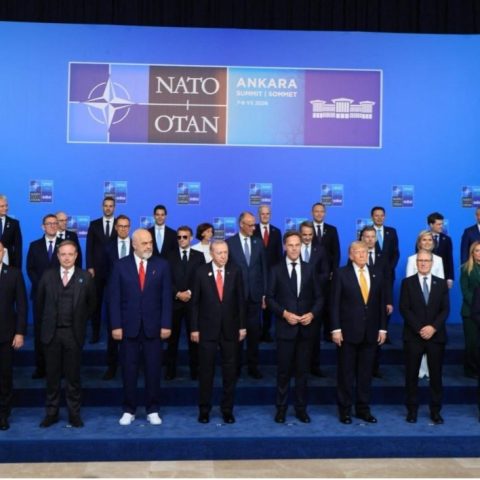
NATO’s Ankara Summit and Albania’s Uncertain Moment
Change font size: - + Reset Tirana Times, July 07, 2026 – The next NATO Summit, where the leaders of Allied member states gather annually, will take place on July 7–8, 2026,

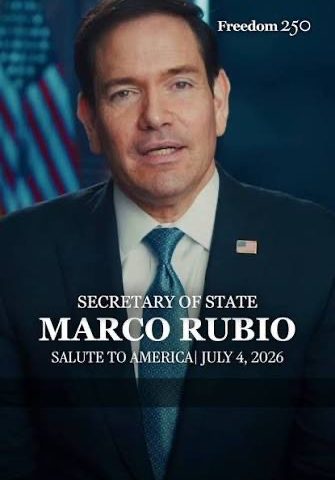
A salute to America
Change font size: - + Reset By Marco Rubio Two hundred and fifty years ago today, in a brick hall in Philadelphia, our forefathers declared their independence from the most powerful empire

From the Nile to the Balkans
Change font size: - + Reset By Dr. Arben Ramkaj Tirana Times, July 3, 2026 – If you sit by the banks of the Nile on a quiet afternoon and allow its

The Strategic Price of Non-Enlargement
Change font size: - + Reset By Albert Rakipi Tirana Times, June 30, 2026 – For more than two decades, the Western Balkans have lived inside the promise of European integration. In

The Political Myth of the “Beautiful Protest”
Change font size: - + Reset A Barthesian Reading By Diana Gëllçi, Ph.D. Tirana Times, June 30, 2026 – A beautiful protest has been unfolding in Tirana for several weeks. What is particularly