
TIRANA, May 5 – A very tough job for the media this time of the May 8 local elections and not because of the election difficulties rather than a closer political and financial affiliation that media outlets have established with the political parties and politicians running this time.
Elections cover the main part of the news in the television stations and the newspapers. Elections are the main topic of the TV talk shows that are everyday in the many TV stations.
Elections are the ‘specialization’ of the media opinionates chatting and quarreling every day.
Yes, that has been a tough job but, on the other side, such an easy one for the common people to understand if this journalists or the other affiliates with this or that political party of politician.
The media also turned into a debate after broadcasters came under pressure to air pre-packaged campaign tapes of the political parties or their candidates.
At the end the Electoral College decided that media outlets are not obliged to air them and that they should be let free to cover the daily agenda of the candidates.
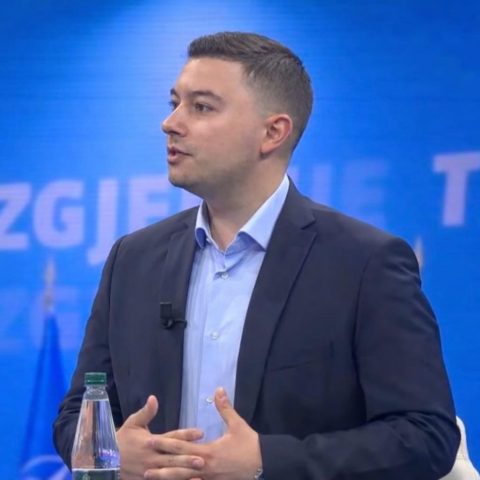
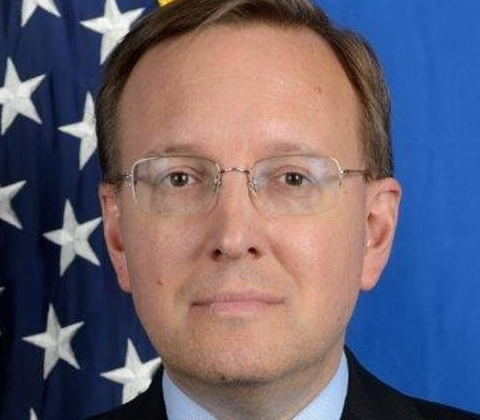
Wollfarth welcomed the recent decision of the Electoral College recognizing the right of TV stations to choose whether or not to use ready-made tapes from political parties.
“The media have an extremely important role to play in the ongoing electoral process in informing citizens of political parties’ programmes and candidates’ platforms,” Wollfarth stressed. “Through objective and balanced reporting, they can contribute to the consolidation of democracy in Albania.”
At the beginning of the electoral campaign some TV stations said they would not accept to broadcast any footage sent from the political parties and candidates, reacting to a significant criticism to this practice from 2009 elections’ ODIHR report. But he Media Monitoring Board, or its majority membership, suggested that the TV stations should compensate the parties and candidates with the time that the law requires by broadcasting footage shot from parties, if the media are not able to follow the activities required.
the governing Democrats claimed that its candidate for mayor in the capital Lulzim Basha did not receive sufficient and appropriate coverage in the media. But some private TV stations said they were not notified at all about his daily agenda and, moreover, their cameras were not let free to cover his activities.
ODIHR’s second interim report stated that with the decision on tapes the Board exceeded its competencies, allowing the political parties to affect editorial decisions of private media.
That decision led to reactions and debates from media outlets, media experts, and civil society. The journalists’ trade union and associations regarded this decision as unacceptable and incompatible with journalists’ mission, expressing their solidarity with the media outlets that had made the decision to refuse broadcasting ready-made tapes.
In April OSCE Presence also held seminars on election reporting ahead of local elections in Albania. The project was implemented ahead of the 8 May local government elections, with the aim of further increasing the quality of media reports, especially outside the capital, during the election campaign, on Election Day and afterwards. The seminars gave journalists in Shkodra, Fier, Gjirokastra and Kor衠a better understanding of reporting during the electoral process, how election administration institutions function and how to access election-related information.
Media and local elections

Change font size:


Latest from News

Dirty Money in the Skyline: Albania’s Tower Boom and the Laundering of Criminal Wealth
Change font size: - + Reset From towers to “new pyramids”: how money from organized crime, international drug trafficking and entrenched corruption is reshaping Tirana while leaving behind empty buildings, distorted prices

Albania Slips Into Electoral Autocracy
Change font size: - + Reset V Dem places Albania in a category dominated by African states, with Serbia and Bosnia and Herzegovina the only Western Balkan countries in the same group.
Albania Draws a Red Line on Iran
Change font size: - + Reset Parliament’s decision to label Tehran a state sponsor of terrorism formalizes a break years in the making and reflects a broad Albanian consensus that Iran has
US Targets Iran Linked Cyber Network as Albania Emerges as Key Victim
Change font size: - + Reset Tirana Times, March 17, 2026 – The United States has moved to dismantle a cyber network linked to Iran’s intelligence apparatus, seizing four domains used for

Albania’s AI Facade Cracks While Neighbors Win EU Funds
Change font size: - + Reset Tirana Times, February 10, 2026 – Serbia and North Macedonia have secured concrete European Union funding to integrate into Europe’s emerging artificial intelligence infrastructure, while Albania—despite