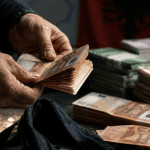
TIRANA, July 31 – The number of new businesses registered in 2011 was the lowest in the past six years, revealing that although procedures have considerably simplified under one-stop shop registration centres the crisis reflected with sluggish domestic demand has had a major impact. Data published by INSTAT in the register of enterprises show some 12,905 new enterprises were registered in 2011 taking the total number of active enterprises to 109,039 with a birth rate of 11.8 percent which is the lowest since 2005.
From 2006 to 2010 the number of new non-agricultural enterprises varied from 14,000 to around 20,000 annually. Excluding public administration, non-profit and international organizations the number of active non-agricultural enterprises at the end of 2011 was 106,503.
Data gathered from the housing and population census also measuring the number of enterprises show some 103,038 active businesses were reported at the end of 2010. Census data show around half of the 103,000 businesses were created during 2005-2009 with 50 percent of them operating in the country’s biggest Tirana and Durres regions, which according to the latest census data have a total resident population of 1 million people compared to 2.8 million nationwide.
More than 4/5 of SMEs in Albania operate in the services sector with 60 percent involved in the trade, bar, restaurant, hotel business. Women manage around a quarter of total businesses in Albania, 99 percent of which are SMEs, and make up 45 to 48 percent of employees in the industry and services sectors.
Big enterprises employing more than 50 people contribute to 42 percent of total employment although representing a mere 1 percent of total businesses.
Some 2,739 of total enterprises in Albania are either wholly foreign owned or international joint ventures, with 64 percent of them operating in the services sector.
2/3 of businesses with one employee
The most surprising data coming from the poll is that around 2/3 of businesses, 62.7 percent of them, are run by self-employed people, meaning a single person.
Researchers of the Open Data Albania centre say micro-enterprises with up to four employees have proven to be short-lived managing to survive by 2 to 5 years. The key reason these enterprises with up to four employees, but accounting for 90 percent of total businesses are short-lived is because they fail to grow remaining with the same number of employees.
Currently, industry, trade and services are the top employers while crisis-hit construction industry has dropped to fourth place.
A majority of 82 percent of total employees in Albania work in the private sector.
According to a recent Italian-government funded study, Albanian small and medium-sized enterprises (SMEs) were severely hit by the outbreak of the global crisis in late 2008, suffering a decrease in demand, activity limitations, and lack of liquidity to higher extent than in other countries. Interviews conducted for this study with SME representatives across Albania showed around 38 percent of medium-sized businesses declared a drop in sales, lack of liquidity and limited financial access.
Opposition: 1,700 businesses close down in Tirana
Opposition Socialist Party councilors claim some 1,700 businesses have gone bankrupt during the past year, since Lulzim Basha took over as new Tirana Mayor.
“One year after his stay in office, some 5,000 people have been added to the unemployment line,” say opposition representatives in Tirana’s municipal council.
In total, some 1,700 businesses closed down in Tirana during the first half of this year. Considering the terrible procedures of closing down a business of which the municipality is often responsible, the number of businesses gone bankrupt is far bigger,” say opposition councilors.