TIRANA, July 2 – Official election results have been issued for all of Albania’s municipalities, giving the Socialist-led coalition a landslide victory in terms of numbers, but the top parties in power and opposition are offering differing accounts on the quality of the electoral process as allegations of fraud and irregularities mount.
A coalition led by the governing Socialist Party won three-fourths of the mayoral races in Albania, which the government says were good step toward improving its bid to launch membership negotiations with the European Union.
The Socialist-led coalition won 45 out of 61 races, the main opposition Democrats and their coalition 15 and one went to a smaller ethnic Greek minority political party. In the key race of Tirana, the Socialists’ Erion Veliaj, a 35-year-old former social affairs minister, was declared victorious in the race, defeating Halim Kosova, backed by incumbent Lulzim Basha of the opposition Democratic Party, who was not running again.
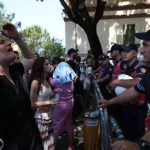
While the governing Socialists celebrated their victory, the opposition Democrats have launched an international effort to prove the local polls were conducted improperly – with fraud, undue pressure on voters and vote buying as key features.
They want the OSCE/ODIHR mission to declare the elections as not free and fair.
Opposition leader Lulzim Basha lamented the allegedly poor standards of the election, accusing the ruling coalition of “massive vote-buying practices” and other irregularities.
However, his complaints and intensity of the Democrats protests about the process have been more muted than those of previous losers in Albanian elections, analysts said.
Prime Minister and Socialist Party leader Edi Rama praised the conduct of the election, considering it the “best ever” in the country.
The election showed that “Albania was a normal country that conducted a totally normal electoral process, without serious troubles”, Rama said in his victory speech.
The ruling parties “have not pressured any public worker to participate in electoral gatherings as happened until 2013. This time, no public employee was under pressure to vote and to report his vote the day after,” Rama added.
Calling the result “historic”, Rama said that his government felt great responsibility for the 71 per cent of the 61 new municipalities that it will govern after the elections.
International observers noted no major irregularities in the election. They said, however, that the electoral process was damaged by harsh language and the involvement of national politicians in local campaigns, adding that the legal framework and the central election authority management need to be improved.
A recent reform shrank the number of municipal elections from 373 to 61 to cut costs and boost local decision-making, putting Albania more in line with EU standards.
The June 21 races featured 162 candidates for mayors (only 16 women), 36,000 councilor candidates, 63 political parties: 37 in support of the center-left coalition (Alliance for European Albania), and 15 gathered in the center-right coalition (People’s Alliance for Work and Dignity). About 48 percent of eligible Albanians took part in the vote, but the resident voter turnout was about 70 percent, according to estimates.
The opposition Democrats won majority in city councils in only two of them out of 61 municipalities.
The ODIHR mission said in its preliminary report, “the legal framework in Albania could have provided the basis for democratic elections. However, due to lack of will to implement it effectively and politicization that pervades the institutions engaged in the elections, this has not been achieved.”
It added: “If the voters were offered a choice from a wide range of candidates and the fundamental freedoms of expression and assembly were generally respected, the politicization of the institutions involved in the election of 21 June have undermined the effective management of the process. ”
A final report will be issued in two months time.