By Alba à‡ela
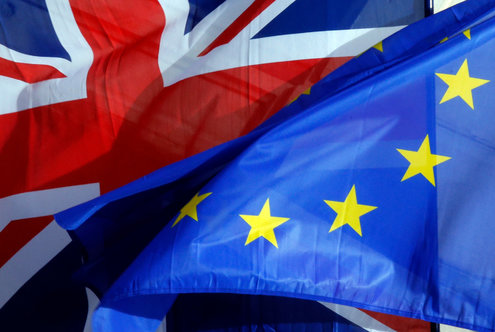
It always seems impossible until it becomes reality. As the final results of the British referendum on whether the UK should remain or leave the European Union were coming in, many people must have had exactly this reaction. In the Western Balkans this new reality is profoundly perplexing. For these countries, which for years have tried really hard to progress in their path towards the EU, the decision of one of the most important member states to leave the Union is incomprehensible.
Paradoxically, inside Europe, it will be the countries in the Western Balkans that will feel the least of the practical impact of Brexit. Their economic and trade ties with the UK are very modest and the level of investment from the UK in these countries is also very low. Furthermore, the UK is one of the hardest countries to travel to or study in given that their visa policy is very tough. All this is compounded by the fact that the historical ties in the Western Balkans have always been stronger and more organic with other member states such as Austria, Italy, France and Greece.
All these said, there is no doubt that Brexit will affect the region just as it will reshape the whole of Europe. The process of one country leaving the Union will test the hard way the chances of the Western Balkans countries to integrate.
First with the eventual departure of the UK from the EU, the candidate and aspiring countries in the WB are losing a powerful advocate of enlargement policy. The UK has often been refreshingly clear on the potential of enlargement to revitalize Europe and its policy has been positive in this regard, despite all the negative press the region gets in the British tabloids.
Second the impact of Brexit will force the hand of the European Commission in particular. The commission, this key institution in enlargement, will be very much consumed with the process of dealing with Brexit that will most likely involve the phases of reflecting on it, letting it sink in, dealing with it through negotiations and new deals and then in a way accommodating it into a new reality. This expenditure of energy, focus and resources of the EU will surely come at the expense of the other processes, including enlargement.
Third and most important, the new mood of the EU is now somber, grim and reluctant. Even more so than before. The post Brexit reflection can turn into an approach that favors deepening of the Union, making sure that no more fractures appear before experimenting with any new additions. This mood has been already present in the EU and is now most likely consolidating.
Interestingly things could, in theory, go the other way. Maybe the EU, looking for a new success story, looking for a way to reaffirm its historic relevance, its strength and transformative power and seeking to change the grim mood, may just decide to give a stronger new chance to enlargement. Maybe it can do so with countries like Montenegro, Albania and Serbia. After all enlargement is the most powerful counter-narrative to shrinking. This theoretical scenario is worth at least some exploration from the WB side. Every crisis is an opportunity. However for this to mean something they should step u their game significantly in fulfilling the integration conditions and showing track record achievements in their reforms. Certainly not all countries seem capable of doing that in this moment.
The EU and indeed all of Europe woke up to a new world on June 24 with sentiments of bitterness, disappointment and insecurity. The Union needs to survive this storm and come out smarter, stronger and more determined after it. The Western Balkans countries should realize that the tough path of European integration has just got tougher.