The many questions over Dibra and the ominous messages for the general elections in 2017
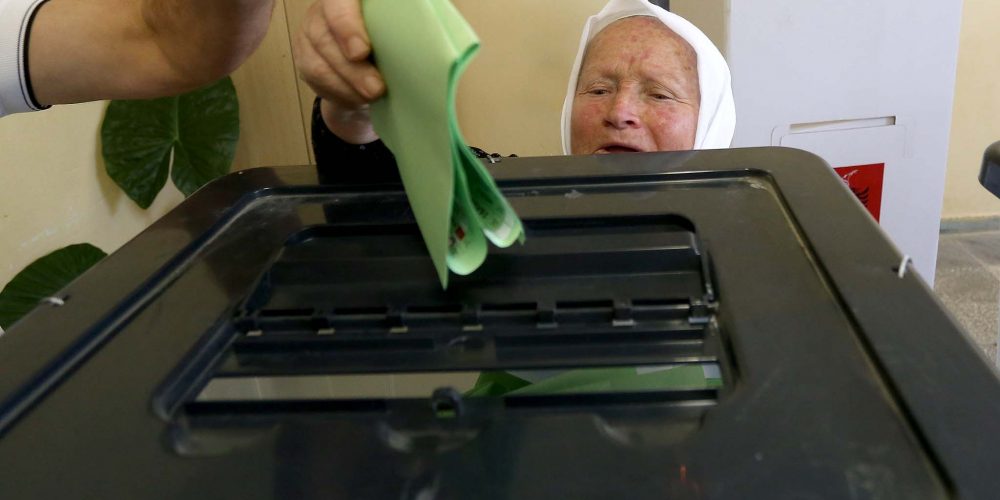
On Sunday, the citizens of the Dibra municipality, in northeastern Albania, elected their new mayor in a by-election sparked by the previous mayor’s sacking in a sexual harassment scandal.
This local development actually was blown out of proportion in political rhetoric, and therefore media coverage, on both sides. The by-election, just months before the general elections, was perceived and described as a test ground for the stability of the ruling coalition, for trying out new partners, for the alleged emerging strength of the opposition and so on.
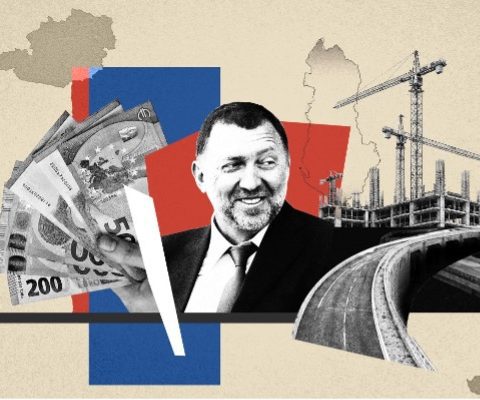
The ruling majority entered this election in a vulnerable and not so positive situation. Their mayor had just been sacked after an episode that shall be remembered with ridicule and contempt. They had not done anything to fulfill the most important promise towards this region: building the Arbri Road which at the present state is fully debilitated and isolates the region from the rest of the country. The region suffers high levels of unemployment and poverty despite possessing some of the best sites for mineral assets such as chrome.
Yet despite all of the above, its candidate, a carefully chosen local surgeon with strong community ties was victorious, one could say even too victorious for its own good.
The staggering difference in the amount of votes the ruling coalition got is over 4,000. Dibra is a region that traditionally and consistently leans to the right.
The elections in 2015 produced only a tenth of the difference for the local elected mayor. One year later, all other factors same or even worsened, the difference jumps almost 11 fold. So what was the source of this victory?
What made such a big difference in the electorate? How did something like this happen when all rational predictions seem to point otherwise?
Many questions of impropriety have appeared on this process and some of them seem to be backed by evidence. Investigative reporting has produced several videos in which phenomena of collective and family voting, vote buying and nepotism in allocating employment positions are portrayed. These videos throw strong and significant doubts over the process and implicate important figures in serious illegal conduct.
Moreover, the behavior of the new team member of the coalition, previously nonexistent in this region, was also very shady. They might have passed the test of relevance in electoral processes but their techniques of inspiration are frighteningly familiar and wrong. If this is the system that will be applied, now after being ‘successfully’ tested, in the round of general elections next year, then the persistent reality will be: no real choice for voters.
The majority explanation seems to be that their candidate was a doctor who lives and works in the region, is therefore respected and liked by people of both political inclinations as usually doctors are. The opposition candidate was also a person with a solid personality and very good professional credentials however seemed to be slightly distanced from the electorate. He could not even vote in this elections since he is registered and lives in Tirana. However the argument is shaky. The Vlora mayor is also a doctor who came to Vlora from Tirana where he had been living for a while. Sure Vlora is a traditional left bastion, however the community distance argument did not even leave a trace there.
The opposition was quick to explain its loss by blaming the voters that allegedly fell prey to massive vote buying and intimidation. However they have to prove the allegations and even more importantly also have to reflect more seriously on their coping strategies and on their plan for next year. Some of the people they engaged in the campaign were downright as outlandish as the sex crazed mayor and need to be avoided. If their major objective is to clean up the process, in the time left, changes to the electoral code seem unattainable. Moreover the lack of implementation, the usual curse, would still persist even with the best of Codes. And finally alienating voters in bulk is a fireproof strategy to fail in political goals so much more care is necessary to handle the reactions to loss.
The only positive message coming from these elections rests with the candidates: their stories and personalities. These limited round of elections offered the citizens two figures who were so refreshingly different: they were not connected with crime, they were not carrying heavy luggage from problematic and dark pasts, they were not flaunting absurd wealth, they were not even using problematic aggressive language.
However if the abuse allegations are true it means that there is now in place a new system in which the criminal figures take a step back out of the limelight and into the comfort of quieter yet still profitable waters where they can prey on tenders and profits in peace. The problematic figures will not appear on the screen in the Parliament aisles but they will keep running the show through better yet powerless semi-puppets.