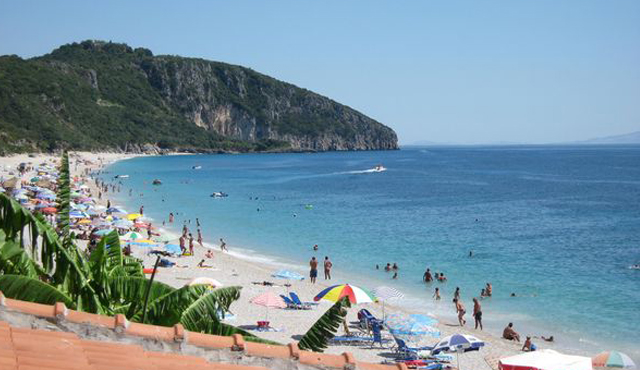
TIRANA, Nov. 17 – The World Bank has approved US$ 71 million in financing for the Integrated urban and tourism development project in Albania that will help create jobs, increase incomes, and support local economic development in selected areas in the south of Albania, well-known as a key tourism destination with significant potential for growth. The project aims to improve urban infrastructure, enhance tourism assets, and strengthen the capacity of institutions to support tourism at local level.
“This project will maintain Albania’s beautiful natural resources and its rich cultural heritage while making tourism more competitive,” said Tahseen Sayed, World Bank Country Manager for Albania. “The project will produce new jobs for Albanians and spur local growth by supporting urban regeneration and sustainable tourism,” she added.
The project will leverage the Bank’s experience and global expertise to support four tourism centers in the south of Albania. These centers include two UNESCO Cultural Heritage sites – Gjirokastra and Berat, Saranda (a tourism gateway for the region, and the UNESCO World Heritage site of Butrint), and Pà«rmet that links the south Albania tourism circuit with the heart of the Balkans. The project areas are home to 84,000 people and the south of Albania as a whole is annually visited by over 300,000 tourists. The project activities include urban upgrading and infrastructure improvement, tourism sites upgrading, heritage and cultural sites’ restoration, and tourism market and product development.
“The project investments will make the four municipalities more attractive for visitors and private investors, and increase opportunities for people to generate income. The primary beneficiaries are the local residents and visitors in who will benefit directly from improved urban infrastructure services and improved tourism options,” said Paula Restrepo and Shaun Mann, World Bank Project Leaders. “The whole country will benefit from increased tourism spending, job creation, and enhanced institutional capacity of local government and other agencies.”
Local municipalities have been closely involved in project preparation and they will play a key role in implementation while maintaining regular citizen engagement.
Through links with other sectors, tourism is responsible for one fifth of economic activity and job creation in the country, while its direct contribution to GDP was 5.9 percent in 2014. It currently supports 50,000 jobs – a number that is expected to grow to 200,000 by 2025. However, inadequate urban infrastructure, lack of coordination of local and regional markets, and short seasonal tourism activities present serious challenges.
Since Albania joined the World Bank in 1991, a total of 88 projects comprising around US$2.5 billion of IDA credits and grants and IBRD loans have been provided to the country.