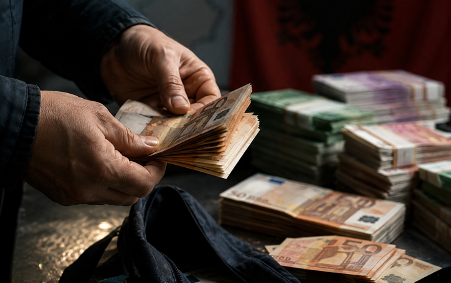
TIRANA, Feb. 2 – The World Bank has awarded a $70 million soft loan to further enhance Albania’s competitiveness and improve the business climate.
The policy reform supports reforms aimed at enhancing the country’s competitiveness by improving the investment regime, making it easier to do business and facilitating trade, says the World Bank.
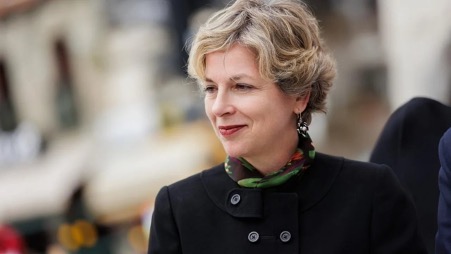
“After stabilizing the economy, it is now critical for Albania to establish the right legal framework for investors and a business friendly environment for attracting and retaining investments for faster growth and greater private-sector led job creation, especially for youth and women,” says Tahseen Sayed, the outgoing World Bank country manager for Albania.
World Bank officials say Albania has a number of strengths it can leverage such as well-educated and cheap labor costs and its favorable geographical position.
“Albania has a number of strengths it can leverage. Its assets include a well-educated and internet-savvy population, proximity to the world’s largest economic bloc, and low labor costs. Albania’s geographic location can facilitate its integration into regional and global value chains, such as agriculture and textile,” says Feyi Boroffice, a World Bank project officer.
The 25-year loan is also delivered in an effort to improve Albania’s Doing Business and competitiveness ranking.
Albania climbed 32 steps to rank 58th among 190 global economies in the latest Doing Business report to score its best ever ranking, but yet lagged behind some of its key regional competitors offering lower taxes and easier procedures. The country slightly improved its ranking in paying taxes but continued underperforming even among regional competitors with a higher tax burden, according to the Paying Taxes 2017 report published by the World Bank following the flagship Doing Business 2017.
Although making paying taxes easier by introducing a new online system for filing and paying taxes, businesses in Albania still need to make 34 payments a year and spend 261 hours a year on paying taxes, one of the region’s highest.
At 36.5 percent of profit, Albania’s total tax rate is slightly lower only compared to Serbia’s 39.7 percent.
In the latest Global Competitiveness Report published by the World Economic Forum, Albania climbed 13 steps to rank 80th among 138 economies, leaving behind almost all regional competitors, but corruption was rated as a top concern for enterprises.
The new World Bank financial support is a fixed spread loan with a 5-year grace period and repayment of 25 years.
Since joining the World Bank in 1991 soon after the collapse of the country’s communist regime, the World Bank has supported a total of 89 projects comprising around US$2.55 billion in credits and grants.