TIRANA, Jan. 8 – Albania’s economy slowed down to 3.55 percent in the third quarter of the year when the country faced one of its worst droughts in decades with a negative impact on the key hydro-dependant domestic electricity sector and rainfall-reliant agriculture.
The slowdown came after almost three quarters of annual 4 percent growth rates fuelled by some major energy-related investment such as the Trans Adriatic Pipeline and the Devoll Hydropower projects in their peak construction stage.
A report published by the country’s state statistical institute, INSTAT, shows the Albanian economy grew by an average of 3.87 percent in the first three quarters of this year. The growth rate is on track to the government’s 3.9 percent target which could be undermined by continued drought in the final quarter of 2017 almost paralyzing domestic hydropower and the early December massive floods hitting central and southern Albania areas.
The early December floods affected thousands of households and dozens of businesses in central and southern Albanian areas, as well as agricultural crops, causing millions of euros in damage, with the government unveiling a compulsory insurance initiative to protect against natural disasters.
On the positive side, the hydro-dependent domestic electricity sector strongly recovered following heavy December rainfall and is no longer considered a key threat to public finances. Electricity imports after one of the worst droughts in decades cost Albanian taxpayers a record of about €200 million in the second half of 2017, putting state-run electricity operators in financial straits and leading to a budget reviews.
The third quarter growth rate was triggered by the tourism sector in its peak season and ‘the public administration, education and health’ sectors with each of them having a 0.9 percentage point contribution to the quarterly GDP growth. The education and health sectors are dominated by public run facilities, but private schools and hospitals have been continuously gaining ground in the past decade.
‘Trade, hotels, restaurants and transportation’ grew by 5 percent year-on-year in the third quarter of the year mainly fuelled by a 25 percent hike in accommodation and food service.
One of Albania’s most promising sectors, the travel and tourism industry generated a record €1.3 billion in income for the first three quarters of this year when some 4.2 million tourists visited the country, according to central bank and INSTAT data.
The construction sector which during the past couple of years has emerged as a key driver of growth following a long-ailing period had a 0.7 percentage point contribution to the GDP growth in the third quarter of 2017 but that was mainly a result of the works for the Albanian section of the TAP project bringing Caspian gas to Europe and the construction of a major HPP by Norway’s Statkraft. Both major projects are set to complete their investment stage in 2018, hinting headwinds in Albania’s FDI prospects and their key contribution to the country’s economy in the past couple of years.
The extractive and processing industries, electricity and water had a modest 0.12 percentage point negative contribution to the GDP. Within this group hydroelectricity was down by 36 percent compared to the third quarter of 2016 as the country’s wholly hydro-dependent domestic electricity sector was almost paralyzed and Albania was forced to make costly imports.
The extractive industry also contracted by an annual 7.64 percent in the third quarter of the year despite the pickup in commodity prices.
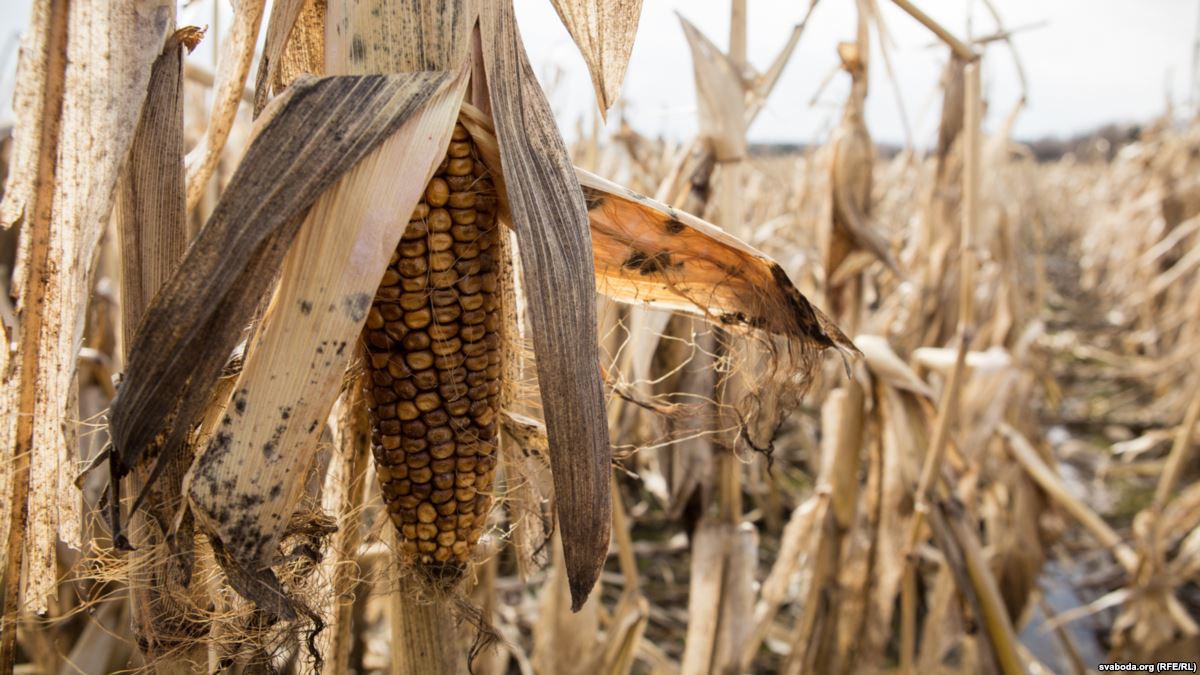
The key ‘agriculture, forestry and fishing’ sector, employing about half of the country’s population but having a small 20 percent share in the country’s GDP, had an almost zero contribution to the GDP in the third quarter as lack of rainfall had a negative impact on field crops, especially corn.
The call center industry suffered another blow as Italian legal changes have made the supply of services for Italy-based companies from non-EU countries such as Albania much tighter starting April 2017, leading to the closure of dozens of call centers.
Call centers employ about 25,000 people, mostly young men and women and have served as a catalyst for youth unemployment, currently at about 30 percent, and the mismatch between skills earned at universities and labor market needs, making use of good language skills by Albanian youngsters, especially fluent Italian, and cheap labor costs.
The Albanian economy is heading to 2018 amid a mixed picture of recovering but still below potential economic growth, mainly relying on some major-energy related foreign direct investment which are set to end their contribution by the end of next year.
The Albanian government expects the economy to recover to 4.2 percent for 2018 but international financial institutions such as the IMF and the World Bank forecast Albania’s growth will slow down to 3.5 to 3.7 percent as major energy related investments taper off and no new projects replace them except for the ambitious but controversial Euro 1 billion public private partnership project to upgrade road, health and education infrastructure. Experts say the ambitious PPP project could create new government arrears and fail to bring public debt down to a more affordable 60 percent of the GDP by 2020, from a current 70 percent of the GDP.
The ruling Socialists also hope to attract luxury hotel and resort investment in the tourism sector through a package of tax incentives.
Like much of the Western Balkans region, Albania will need 35 years to catch with the EU average income if it continues growing under the current 4 percent rate and 20 years if growth accelerates to an annual 5 percent, World Bank officials say.