TIRANA, April 26 – The Albanian households’ financial situation deteriorated in the second half of 2017 as income dropped and spending increased while informal borrowing continued to remain widespread, says the central bank.
Albania’s inflation rate hit a 5-year high of 2 percent in 2017 while wages modestly rose for the public sector and are estimated to have registered no change in the private sector, employing about 80 percent of the population.
In a survey with 1,200 households nationwide, the central bank says 28 percent of the respondents reported having a loan to pay off and two-thirds had borrowed informally from friends and relatives, a situation which remained the same compared to the first half of 2017.
However, the amount of informal borrowing accounts for only a fifth of the total credit among households.
The survey shows Albanian households mostly borrow to finance consumption in 42 percent of the cases, followed by purchase and repair of property in 26 percent of the cases and business development in 12 percent of the cases.
Most households say they are pessimistic about the first half of 2018 as they don’t expect any significant improvement in their ability to repay loans and take out new loans.
The situation reflects tight lending standards that commercial banks continue to apply as non-performing loans have dropped to 14 percent, down from 25 percent in mid-2014 and poor demand by households.
The findings of the survey also indicate that the construction-fuelled growth of about 3.8 percent in 2017, a nine year-high for Albania, failed to have any major impact on accelerating household consumption which was about 1 percent lower compared to the GDP growth, according to state-run statistical institute, INSTAT.
The situation is not that optimistic even for businesses which rate tough competition and finding new markets as the most pressing challenges affecting their operations, especially small enterprises.
Sales in the second half of 2017 grew for medium-sized and large enterprises but dropped for small businesses, shows the central bank survey with 1,200 businesses nationwide.
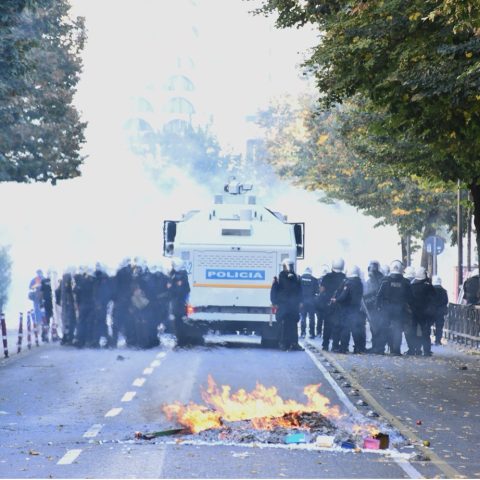
The situation reconfirms the difficult situation small businesses are facing amid tougher competition by commercial centers and supermarket chains and a hike in the tax burden as more than 10,000 small enterprises were included in the 20 percent VAT system in April 2018, triggering protests.
About half of the surveyed businesses said they had a loan to pay out but only about 7 percent had borrowed informally.
More than half of respondent businesses said they have no chances of borrowing in the first half of this year and a considerable number that they are little likely to borrow.
The Albanian government expects the country’s economy to recover to 4.2 percent in 2018, but international financial institutions such as the World Bank and the IMF expects growth to slow down to 3.7 percent as major energy-related projects that drove growth in the past few years complete their investment stage by the end of this year.