TIRANA, March 1, 2023 – Albania’s government has announced it is increasing the country’s monthly minimum wage to 40,000 leks (347 euros) and increasing all military wages across board by 7 percent.
The move comes as Albania’s economy faces manpower shortages due to emigration and demographic decline and as inflation eats up the real purchasing power of current wages.
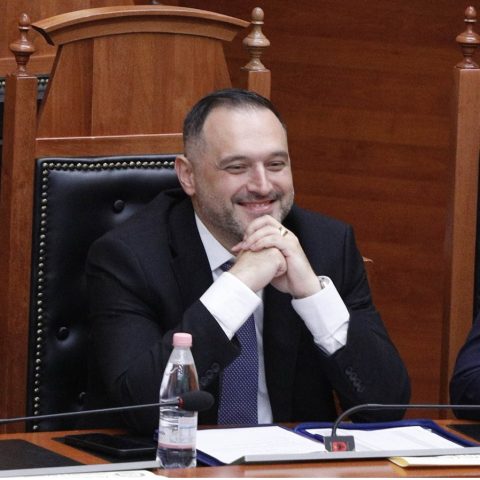
Minister of Finance and Economy Delina Ibrahimaj said the increases would take effect on April 1, speaking after a government meeting.
“At the meeting of the Council of Ministers, the decision was taken today to determine the minimum salary, which goes from 34,000 to 40,000 leks,” Ms. Ibrahimaj said.
She added that private sector wages had gone up organically too, referring to September 2022 data that average salaries in the private sector have increased by 12.3 percent.
The minimum salary is enforced on both the private and public sectors.
– Large production business to get subsidies to cover social insurance costs –
The government also approved a decision to subsidize added social insurance costs for certain sectors that have large numbers of employees on minimum wage.
“We have been careful as we do not want to add costs to the business and this is the reason we subsidize the additional cost for social security contributions. This is not related to electoral politics,” the minister said.
Albania has the region’s lowest wages, which is a strong driving factor for emigration.
“We intend that in the coming years the average salary in the country will reach the levels of the countries of the region and become competitive,” Ms. Ibrahimaj said.
– Military gets 7 percent wage increase –
All military personnel in Albania will receive a salary increase of 7 percent, a decision that takes effect from March 1, said Defense Minister Niko Peleshi, adding the increases affect everyone, from cadets to to the highest ranks.
“Every year we will have salary increases until our soldiers have an average salary of NATO allied countries,” Peleshi said.
Albania’s military, which is a professional force after abandoning conscription two decades ago, has a history of low salaries that have affected its recruitment and retention.
The minister said that after several consecutive increases, today the salaries are 40 percent higher than they had been just a couple of years ago.