TIRANA, June 26 – The prolonged drought Albania has been facing in the past few months is having a negative impact on the country’s wholly hydro-dependent domestic electricity generation. The situation has increased reliance on costly electricity imports and could pose a threat to public finances in this electoral year in the next few months unless heavy rainfall feeds the country’s hydropower plants.
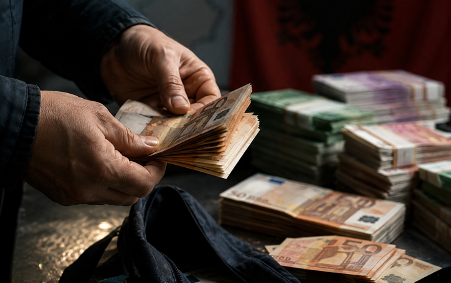
The state run KESH power utility managing the country’s three largest hydropower plants and the OSHEE electricity distribution operator have purchased electricity worth about €17.2 million for the June 10 – July 31 period.
OSHEE distribution operator says it has contracted to purchase about 285,600 MWh of electricity, worth about €16.4 million at an average price of €57.41 MWh for June 28 to July 31. The electricity will be supplied by Slovenian, Serbian and the newly operational Devoll Hydropower owned by Norway’s Statkraft which in late 2016 launched its first major HPP in Albania.
In September 2016, Statkraft launched its first Banja HPP as part of a major Devoll Hydropower project that is expected to conclude by late 2018 with the completion of a bigger HPP. The two power plants are expected to produce about 700 GWh annually, increasing Albania’s electricity generation by 17 percent.
Meanwhile, power utility KESH, purchased electricity worth about €780,000 for the June 10 to 30 period.
With a heat wave having hit the country and no rainfall for at least a month, water flows in the country’s three largest hydropower plants in the northern Drin River cascade are at a minimum.
The high level of imports is also expected to affect planned investments and targets to further reduce grid losses in the electricity distribution sector.
Grid losses in the country’s state-run electricity sector dropped to a record low of 28 percent in 2016 while all three distribution, transmission and production operators posted profits following a favourable hydro-situation and the ongoing payment of accumulated unpaid bills after a late 2014 nationwide campaign to cut off illegal connections and collect hundreds of millions of euros in electricity consumer debts.
Profits by state-run electricity distribution operator, OSHEE, slowed down in 2016 as a majority of debtor consumers have already paid off their accumulated unpaid bills making use of discounts on their late payment penalties through lump sum payments.
The OSHEE distribution operator says it posted profits of about 11.5 billion lek (€84 million) in 2016 following a record 14.9 billion lek (€109 mln) in 2015 when it returned profitable after a failed three and a half year privatization which ended in early 2013. The distribution operator registered losses of 4.5 billion lek (€33 mln) in 2014 and record high losses of 27 billion lek (€202 mln) in 2013 when the company was taken back under state administration following a failed privatization by Czech Republic’s CEZ.
State-run power corporation KESH which produces about three-quarters of the country’s domestic electricity also posted profits of 1.7 billion lek (€12.4 million) in 2016 thanks to favourable hydro situation allowing the utility to increase exports.
Albania had plenty of rainfall in 2016 significantly improving the country’s wholly hydro-dependent domestic electricity generation while 16 new HPPs were made operational taking the number of private and concession HPPs to 139, producing about 28 percent of the country’s domestic electricity. The wholly hydro-dependent domestic electricity generation rose by 21 percent to 7,136 GWh in 2016, meeting the overwhelming majority of the country’s needs.
The prolonged drought Albania has been facing is also affecting the agriculture sector, especially corn fields after farmers have already had their wheat harvests. The major part of Albania’s agriculture land lacks irrigation systems, relying on sporadic rainfall during summer, although the the country has plenty of water sources it can make use of.
Agriculture is a key sector of the Albanian economy employing about half of the country’s population, but producing only a fifth of the country’s GDP, unveiling its poor efficiency.