
TIRANA, Feb. 7 – A parliamentary commission investigating the latest initiatives to expand the use of Internet in Albania has reached perplexing conclusions. According to the statements of some experts collaborating in the investigation, there are some structural impediments to this expansion that make room for abuse. The most important one is connected to AlbTelecom’s (AT) network is estimated to cover between 7 to 9 percent of Albania’s territory, one of the lowest in the world. Indeed to get a new fixed line number people pay considerable bribes reaching up to 400 euros. For a country with only 40.000 household computers, the installation of 200.000 ADSL modems seems perplexing indeed. The costs of expanding the supporting system has been officially declared at the value of 10 million but experts think it is double that figure. AT, the fixed line monopoly is currently holding a legal tender for this expansion. At also has a problem of human resources which have to complete according to the program almost 700 installations. They do not posses either the expertise not the means to realize such a daunting task. Also the cost per user is estimated to be too high for the average Albanian who will need to use wireless service given the low AT fixed line coverage. AT’s upcoming privatization, characterized by a problematic history of on-off contracts with the Turkish Calik is not helping the situation. Turkish officials are perfuming subsequent visits to Albania in order to speed up the transaction that froze most recently due to the government’s troubles with the energy crisis. In a period of elections the issue might be postponed even further. The Turkish side objects to the tenders being held in the context of the Internet program. After the first tender of 10 million euro, A is launching a second one to build a soft-switch central for the area called TR3 covering the very problematic zones of suburbs: Bathore, Laprake and Kamza that lack all needed prerequisites. And this does not even mention that these areas, overpopulated from uncontrolled urban migration have several other priorities for investments in their living conditions. The soft-switch central is intended to provide IP addresses. The problems with AT’s monopoly structure have often lead to sever complaints about its strategies of discriminatory pricing, corruptive schemes of profit and very slow procedures. Once At is privatized another benefit is expected that will fight another monopoly: mobile phones. Eagle Mobile is the third operator that waits for launching once AT is fully sold.
The initiative “Albania in the age of Internet” was launched by the Prime Minister Berisha himself. In this context he also signed a contract with Microsoft’s Bill Gates to procure IT services to the public sector last week in Edinburgh. According to this agreement Albania will benefit 6,000 packages of Microsoft software products at a “symbolic price”, to be installed on school computers. The cooperation will extend over a three-year period, during which an ambitious program will be implemented, with special emphasis on ICT infrastructure development, e-government services and education. The troubling explanations that the investigation has brought forward though do not seem to confirm the enthusiasm with which this initiative was launched. Indeed infrastructural problems make new investments in the country always problematic not to say even obsolete. The report called for responsibility on the side of state officials, especially the Ministry of Telecommunications, under whose jurisdiction the issue falls.
“Albania in the age of Internet”- Parliamentary Commission reaches conclusion of abuse

Change font size:
Recommended Articles

Latest from Business & Economy

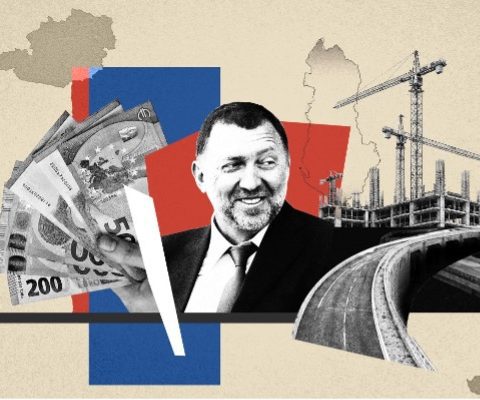
How a Sanctioned Russian Oligarch’s Business Interests Reached Albanian Public Contracts
Change font size: - + Reset Millions of euros flowed to companies linked to Strabag while Oleg Deripaska remained a major shareholder, exposing gaps in Albania’s ability to identify who ultimately benefits
Albania’s Cash Boom Raises Money Laundering Concerns
Change font size: - + Reset Cash outside Albania’s banking system reached a record 5.6 billion euros, last month. Tirana Times, August 30, 2026 – The amount of cash circulating outside Albania’s

Vlora Airport Heads to Arbitration
Change font size: - + Reset Albania faces another potentially costly international dispute after losing several arbitration cases in recent years that have exposed the state to hundreds of millions of euros

Concrete, Cocaine and Corruption: Albania’s Fragile Growth Model
Change font size: - + Reset Albania’s Concrete Economy: How Construction Became the Country’s Dominant Growth Model Tirana Times, July 10, 2026 – A booming construction sector has made Albania an outlier

Austria Leads FDI, but Real Estate Tells the Bigger Story
Change font size: - + Reset Bank of Albania data show Austria topping first-quarter foreign investment flows, while property and construction continue to shape Albania’s FDI model. Tirana Times June 25, 2026