TIRANA, Oct. 7 – Albania and Serbia are intensifying efforts to offer joint package holidays to attract tourists from new potential markets such as Russian-speaking countries and Asia.
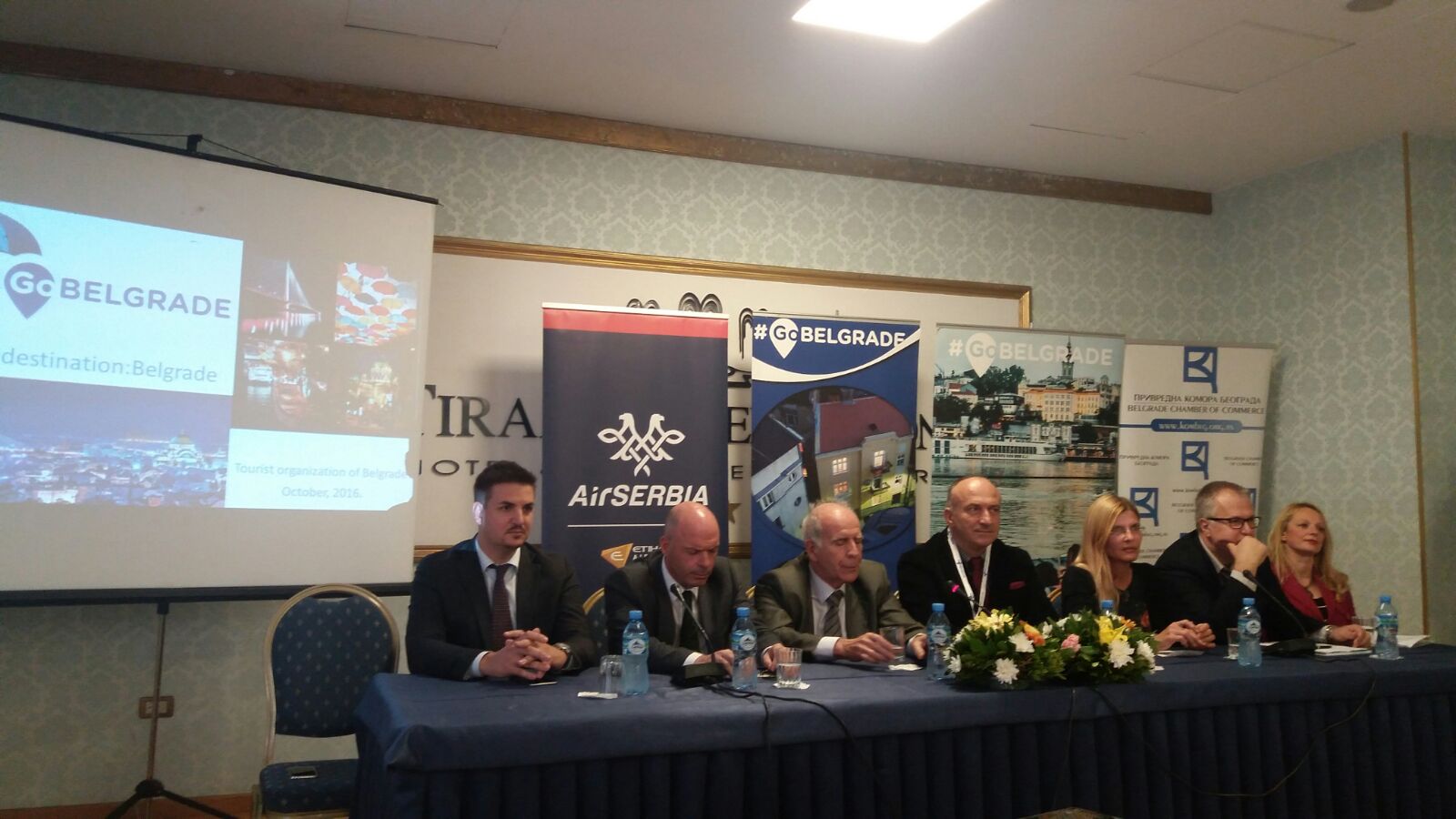
Speaking at a an event promoting Belgrade in Tirana this week, Ardit à‡ollaku, the head of Albania’s National Tourism Agency said regional cooperation was key to attract tourists from these potential markets whose tourists are interested in visiting several Balkan regional destinations during their trips.
“Regional cooperation has to increase to the highest level in order to promote not only a single country but the whole of the Balkan region we are part of,” he said at a forum with Serbian tourism officials and operators.
Zelkja Pudar, a senior adviser with Serbia’s National Tourist Organization, said Serbia has a lot to offer to Albanian tourists, as a crossroads between the East and West, who can be reached in one hour with the direct Tirana-Belgrade flight by Air Serbia national airline.
Albania, Serbia and Montenegro were showcased at a joint stand at the latest Japan Expo fair.
Dejan Radovic, an Air Serbia representative, said “we as a carrier with nine Tirana-Belgrade flights a week, are a push for the advancement of trade-related activities, especially tourism.”
Albania’s deputy Foreign Minister Selim Belortaja noted Albania and Serbia and other regional countries have to work together to overcome the traditional distrust, poor infrastructure and human resources as barriers hindering trade exchanges and tourism.
Tourism exchanges between landlocked Serbia and Albania have taken a boost in the past couple of years with regular trips to Belgrade and Tirana offered by tour operators, but still remain considerably below potential.
Zlata Numanagic, one of Serbia’s most popular actresses of the 1970s, has opened a restaurant in Saranda, becoming one of the first Serbians to run a small business in Albania, in a bold move breaking stereotypes in both countries.
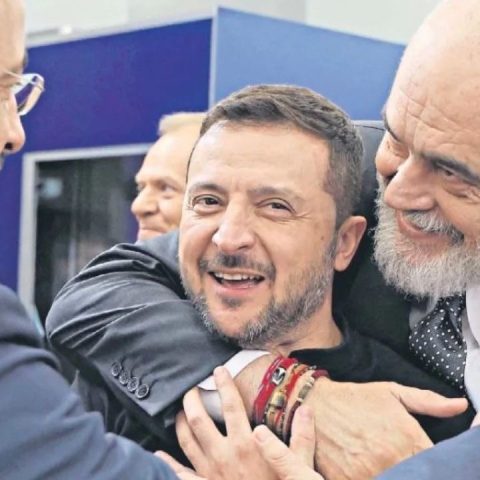
Since late 2014, when Edi Rama became the first Albanian Prime Minister to visit Serbia in 68 years, the two Prime Ministers have intensified meetings to overcome barriers between the two countries and made efforts to boost cooperation at a time when Serbia is also normalizing relations with Kosovo after its independence in 2008.
The civil society organizations are also playing a key role in the normalization of Albanian-Serbia relations following a drone incident in a football match in October 2014 when relations between the two countries temporarily embarked on a Cold War status quo.
The Albanian Institute for International Studies and the European Movement Serbia, two leading think tanks in both countries, have established a joint Centre for Albania-Serbia relations to boost relations between the two countries and overcome stereotypes.