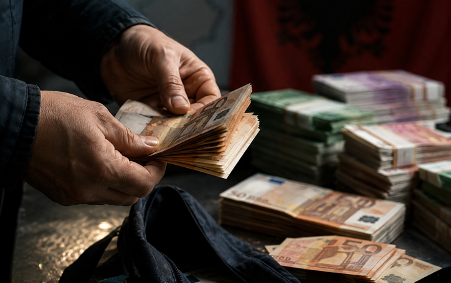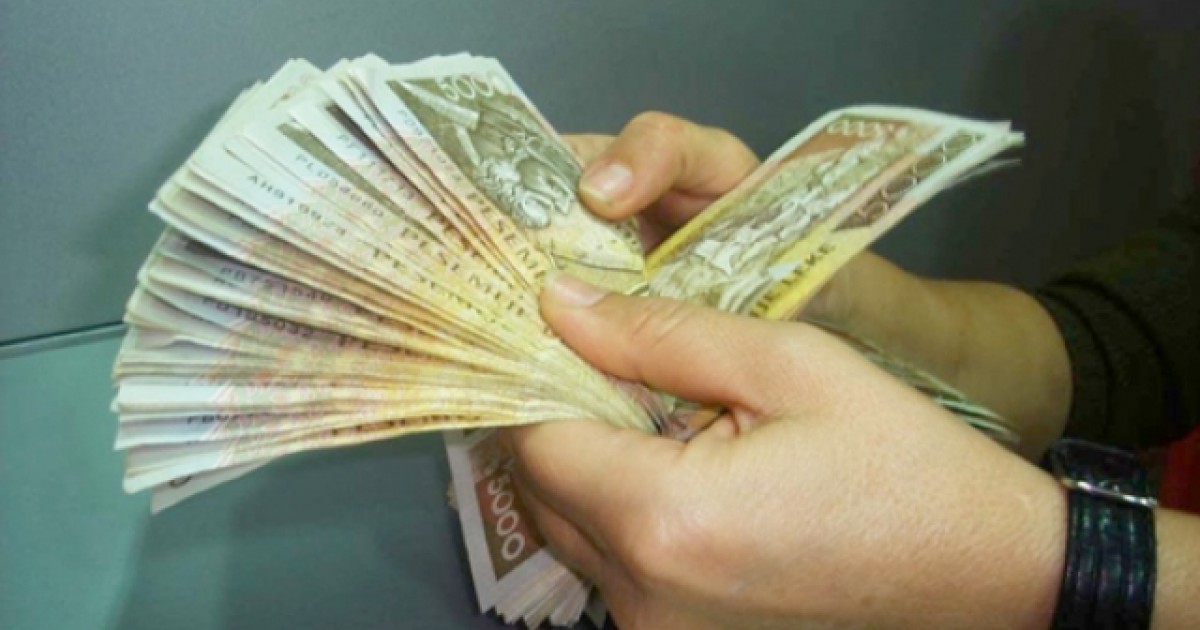
TIRANA, Sept. 4 – Albania’s national currency has slightly weakened against Europe’s single currency in the past couple of weeks as the tourist season is coming to an end and dozens of thousands of Albanian immigrants who came home to spend their summer vacations have left to their host countries, considerably curbing the Euro supply in the local market.
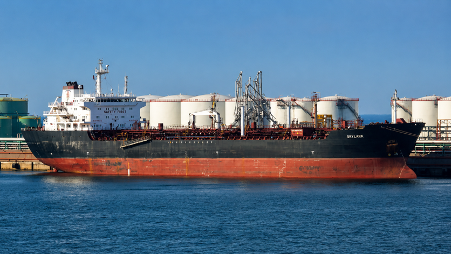
The Euro climbed to 133.5 lek at the end of August 2017 and slightly fell to 133.44 lek on Sept. 4, up from 132.24 lek in early August, but continued trading at an 8-year low against the Albanian national currency, with a negative impact on the country’s poorly diversified exports, relying on garment and footwear as well as oil, according to central bank data.
The fluctuations are part of an annual trend that sees Europe’s single currency depreciate in July and August due to the huge inflow of Euros by tourists and Albanian migrants, but gradually gain ground by late August and September as euro supply reduces with end of the summer tourist season.
The national currency, lek, has strengthened by an annual 2.7 percent against Europe’s single currency, in the sharpest fluctuations of the past eight years. Europe’s single currency, has lost 5.4 percent compared to the average exchange rate of 140 lek for about five years until mid-2015.
The central bank says the appreciation of the national currency in 2017 is a result of exports growing by 13.5 percent in the first half of this year and foreign direct investment continuing its positive performance mainly fuelled by some major investments such as the Trans Adriatic Pipeline, increasing the presence of euro in the local market.
The Bank of Albania expects the negative effects that the strengthening of the national currency is having to gradually wane as the economy continues recovering mainly driven by some major energy-related investment, a recovery in exports and a boost in the tourism industry.
On the positive side, the depreciation of the Euro against the national currency is good news for borrowers in Euro who have their income in lek and the government’s external debt payments as well as imports whose cost has slightly dropped.
Some local experts have partly blamed the rising cannabis cultivation in the past couple of years and its lucrative sales abroad in Euro area countries for the sharp appreciation of lek against the Euro.
The national currency has also considerably strengthened against the U.S. dollar in the past eight months.
The U.S. dollar, whose weight to the Albanian economy and lending is much lower compared to the Euro, traded at an average of 112.23 lek last August, down from 128.3 lek in December 2016 and a 12-year high of about 130 lek in April 2015, according to the central bank’s fixed exchange rate.
The Albanian economy is highly euroised with Euro-denominated savings and loans accounting for about half of the total and two-thirds of exports destined for Eurozone countries, making the country vulnerable to sharp fluctuations.
The currency of key commodities, the U.S. dollar, has a small impact on the Albanian economy but its fluctuations with the Euro often determine the Euro-Lek exchange rate.
U.S. dollar denominated loans account for about 10 percent of total business loans in Albania.