
TIRANA, Oct. 16 – French police, in cooperation with German and Swiss units, dismantled a drug trafficking network whose 39 members were arrested in eastern France on Tuesday. Three more were arrested in Germany and more were made in Switzerland.
Hundreds of French police personnel were deployed in the region of Saint-Louis, Mulhouse through which the drugs cartel transported heroin from Eastern Europe. The arrested people were almost all Albanians, either from Albania or Kosovo.
They found out there was major trafficking from Albania and Kosovo into Mulhouse, Switzerland and Germany of several hundred kilos of heroin, according to prosecutors.
The network composed mainly of Albanians who also stand accused of producing false documents and performing fake weddings as part of its illegal immigration activities, according to the report.
In another case a new study led by a University of Illinois researcher indicates that despite a number of measures undertaken by the government in Albania to curb sex trafficking, rigorous comprehensive legal and social reforms are needed to address the practices that perpetuate it.
Patriarchal societal customs that disenfranchise women, along with high rates of poverty, domestic violence and governmental corruption have made Albania a pivotal location for the trafficking industry. The country serves as both a source of trafficking victims and a transit hub for moving victims through Russia and Eastern and Western Europe.
While in Albania we listen to some really good news. Some officials in the local authorities were arrested for corruption. They had organized ways to illegally profit from the public money set to be used in different projects in their area.
But in general these are good calls to the Albanian authorities that fighting drug and human trafficking in the country should remain a top priority not only in paper but with concrete steps in practice and good coordination with other countries too.
Albanians and the drug and human trafficking

Change font size:


Latest from News
Mecca Defense Pact Signals Saudi Arabia’s Bid to Shape a New Security Order
Change font size: - + Reset The agreement with Turkey and nuclear-armed Pakistan strengthens Riyadh’s position as a central architect of regional security, while reflecting a broader shift toward a more multipolar

SPAK Brings New Charges Against Former Deputy PM Balluku
Change font size: - + Reset Tirana Times, August 07, 2026 — Albania’s Special Prosecution Office Against Corruption and Organized Crime has brought new allegations against former Deputy Prime Minister Belinda Balluku, widening
Milošević’s Language Returns to Serbia’s Government
Change font size: - + Reset Ethnic Cleansing Remark Tests Serbia’s Claim to Have Broken With Milošević A Serbian minister’s declared willingness to expel Kosovo Albanians has drawn condemnation across the region
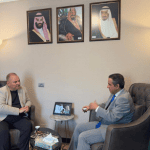
Saudi Ambassador Meets Head of Albania–Saudi Parliamentary Friendship Group
Change font size: - + Reset Tirana Times, July 6,2026 – Saudi Arabia’s Ambassador to Albania, H.E. Turki bin Ibrahim Al-Madi, received Albanian MP Baldi Çomo, Chairman of the Albania–Saudi Arabia Parliamentary Friendship

Anti-Government Protests Escalate in Tirana as Demonstrators Block Parliament
Change font size: - + Reset Tirana Times, July 03, 2026 – Albania’s month-long anti-government protest movement entered a more confrontational phase on Thursday, as demonstrators gathered outside Parliament, blocked access points