By Sonja Methoxha
The Mary Ward Loreto (MWL) Foundation in Albania has conducted a study regarding the ethics of education in Albania. The research was made in collaboration with the Ministry of Education, and MWL hired Albanian Center for Economic Research (ACER) to prepare it. In a conference held in the city of Vlora on Oct. 27 the foundation invited local pupils, students, teachers, professors, and shared the findings of the research through Ministry and MWL representatives, as well as others who participated in conducting the research, such as dr. Zef Preci who led the ACER team in preparing the document.
Even though there have been previously conducted studies regarding the unethical behavior in schools in Albania, this specific one from MWL is the first to cover in a national spectrum all levels of education, starting from kindergarten and preschool up to Master’s levels. The research wanted to study the variation of severity on unethical behavior in all levels of teaching and used a mixed methodology with a representative sampling for each level of education nationwide.
The conference in Vlora sought to encourage a discussion between the students, teachers and researchers, that would spark various strategies and initiatives that would help improve the situation of education around Albania, and most specifically in the southern regions of Albania.
The findings were numerous, counting from lack of ethics, to corruption and dysfunctional buildings.
‘’This research has revealed the most shocking results of high level lack of ethic and corruption in the system of education,’’ said Imelda Poole, president of MWL foundation.
The foundation was shocked to discover the school buildings in the rural areas and some of the smaller towns of Albania to originate from as long ago as 19th century. There was no reconstruction or rehabilitation done in these schools. The researchers found missing or broken windows, no heating system to keep the children warm during the winter, thus they would have to keep their jackets on during the classes, and the toilets were in such disastrous states beyond repair, that challenged any sort of human conditions.
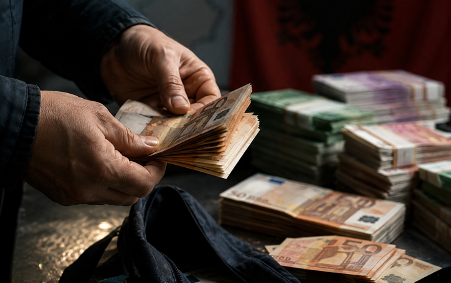
Disturbing grading practices were also noticed in the mid-schools especially, but not contained only there. The teachers would grant better grades or positions to the pupils that would buy them gifts or that would directly give them monetary tips. In terms of higher education, the practices followed start from buying the exams as mentioned above, but also paying for grades, passing the class, buying of the diplomas, the dissertation papers, and outstanding high levels of plagiarism noticed from the students.
Other than unethical behavior, was also the unscrupulous punishment practices, which sometimes are illegal. Teachers would give failing grades to students who didn’t participate in the corruption process, or that contradicted the teachers either in teaching, lectures, or biased behavior. They would exclude the students from the class, use sarcastic language, derogatory nicknames and use verbal, emotional and even physical violence as means of education. This practice comes due to a wrong culturally inhibited practice of accepting violence as a means of discipline. Another dark side was discrimination and prejudice based on gender, ethnicity, religious, social and economic status, and even inappropriate remarks to children with special needs.
Also, there was a lack of reporting to the students’ behavior both from teachers and parents. What is more noticeable here is the lack of interest of the parents, accounting to the education of their children as only in the in-class sphere. They would indulge in teacher favoritism or pressure towards them, and there is a lack of collaboration from them with the education system and schools.
‘’Scarce attention has been paid to ethical education as a direct tool for working towards quality education and life-skills learning, which help to develop healthy societies and sustainable democracies,’’ it is written in the report regarding the importance of ethics in the education system. This perhaps is the drawback of the education laws and system plannings to have an accessible education to all pupils and students around the country. The focus has also been in providing a quality in education, but noticing the high percentages of unethical behavior that is dubious.
The numbers the study concluded regarding the lack of ethics were 36 percent for preschools, 74.1 percent in upper secondary education denounced by the teachers themselves, whereas 83 percent of the students in upper secondary education denounced unethical behavior, and 73 percent occurred in higher education.
What was interesting in this finding were that the actors were aware of their unethical behavior, however, there was this idea that the others’ unethical behavior had a more significant impact in the system, and thus no one was really focusing on how to stop this phenomenon but rather point the blaming finger elsewhere. That is, even if parents were unethical towards their children, or previous teachers to their pupils, when passing to another teachers in another class, that teacher would still act unethical towards the pupils, and notice an unethical behavior from these students, however, instead of trying to stop this lack of ethics, he would blame the previous teacher for this behavior.
But why is this happening? The study claims that ‘’this pattern of perception derives partially from the persistent lack of communication among teachers, students, parents, and institution principals in regard to issues of ethics. When communication happens, it is fragmented and shared within respective groups. Thus, teachers receive information mainly through staff meetings, while students and parents receive it through informal channels such as child-parent communication and shared information with peers and other parents. This limited institutional and organized communication between teachers, parents, and students in regard to school ethics, explains the insufficient information parents and students have about teachers’ codes of ethics, institutional regulations, expectations of ethical behavior and the consequences in cases of ethics violations.’’
This lack of communication, and also the lack of trust in the authorities or institutions, add up to this level of unethical behavior. But more than that it is also the unwillingness to report this behavior to the respective institutions, as from parents, students, and teachers. Multilevel interventions are needed to fix this rotten system which demands a focus on legislative regulations, a stronger communication between the educators, parents and students regarding the duties and responsibilities, as well as a higher collaboration between all actors of the system. A monitoring and reporting system is also a suggestive strategy to tackle this phenomenon.
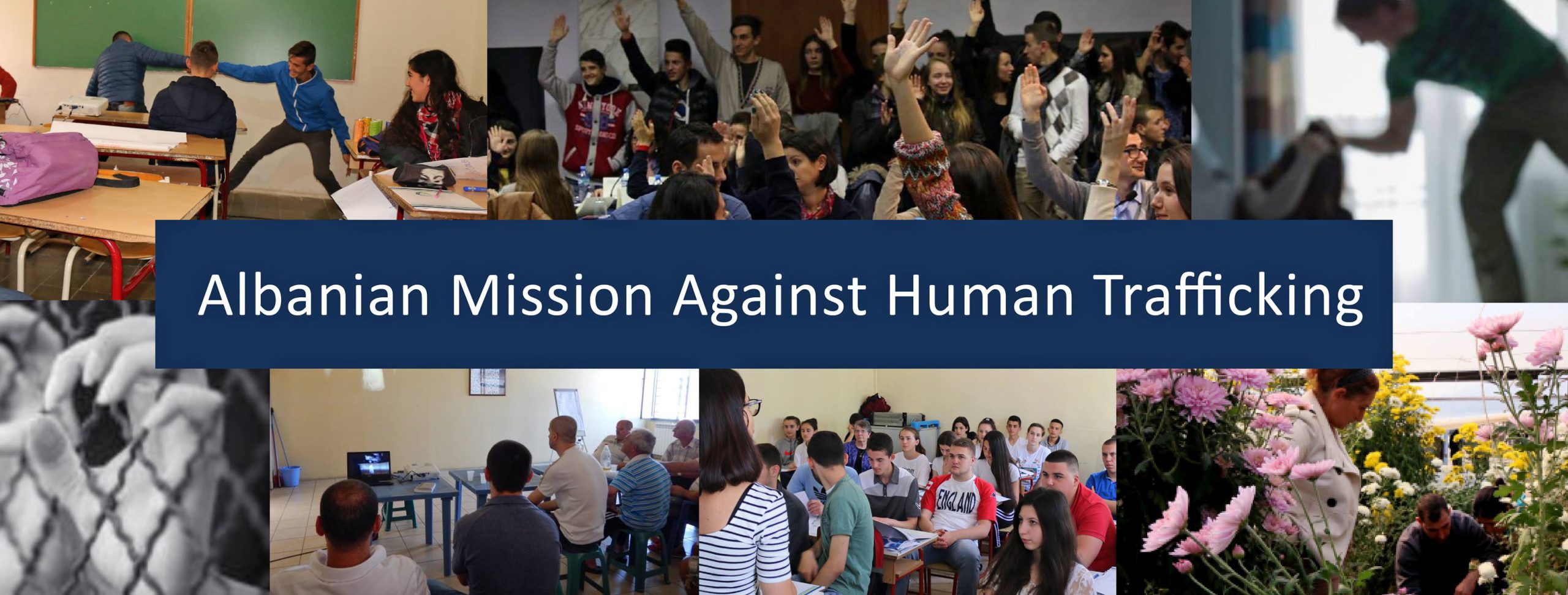
Mary Ward Loreto Foundation is a non-profit organization providing development programs for vulnerable communities in Albania. Its core values are freedom, justice and sincerity, and the work related is fighting human trafficking. The aim is to eradicate poverty, the prime cause for human trafficking, through works of justice, education, grassroots action and systemic change.
The Albanian Center for Economic Research seeks to promote economic reforms in Albania by conducting independent research on economic growth and helping to create an appropriate institutional framework for economic reforms. We seek to encourage public debates on a number of issues related to the country’s economic transition, by becoming a party in drafting laws, defending country policies and decision-makers and promoting the strengthening of the non-governmental sector.