
TIRANA, Jan.31 – Oil prices will not be affected by the changes in the international markets given the recent developments in the exchange rate that keep the dollar value down. For the first six months of 2007 it will be fixed around 125 lek/ liter, the set price from the end of 2006. The low values of the dollar have helped the oil traders in Albania to extract profits given that their input buying costs have been lower. The dollar fell from 103.58 lek to 95.80 lek but the change was not reflected in the oil prices though there should have been a decrease of around 10 lek/ liter. Albanian importers pay customs fees and VAT of around 1 percent of the value of imported material. Albanian traders operate according to the Mediterranean exchange where the recent quoted price of one ton oil has ranged from $ 510 to $ 560 (or $ 51-56 per barrel). Transportation costs for Albanian traders that import form the Black Sea vary between $ 20-30. Often Albanian businessmen try to lower the transportation costs because they offer profit opportunities. The price of oil increase substantially at the retail traders because of the taxes applied upon entry in Albania, such as VAT, lump sum taxes, port taxes, etc. the value of one ton of oil becomes $ 1.178. Based on the recent exchange rate one liter of euro-diesel costs 112 leks and is sold in retail at 125 lek. Most of the retail points of fuel are managed by the importers themselves which thus become managers of the full trade cycle and acquire trade powers of price setting. This practice has been denounced as unfair trade given its resemblance to carte agreements in an oligopoly scenario. The uniform price roof of 125 lek per liter has raised many doubts for the existence of such a cartel. The profit margin ranges from 13 to 21 lek per liter. The practice of importing at low prices and storing in Albania allows traders to keep prices high even in unfavorable exchange rate conditions. Albania imports on average 30.000 tons of fuel per month. During 2006 it imported around 312 tons mainly from the Black Sea region. a breakdown of main countries includes 33 percent from ex Soviet block countries, 30 percent from Bulgaria and Romania and 35 percent from Greece. Imports arrive mainly at the Durres port but also in Vlora and Shengjin at lower volumes. Custom revenues from oil imports make up the majority of state revenues from these offices. The Ballsh refinery, the domestic producers has not received any strategic investments and domestic oil makes up only 1 percent of Albanian fuel circulation. The standard exchange mechanisms under which Albanian traders operate are those of Geneva London and Rotterdam.
Exchange rate dynamics keeps oil prices at high level

Change font size:


Latest from Business & Economy

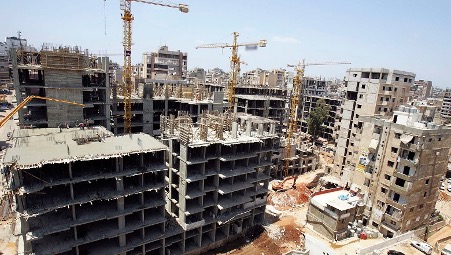
Concrete, Cocaine and Corruption: Albania’s Fragile Growth Model
Change font size: - + Reset Albania’s Concrete Economy: How Construction Became the Country’s Dominant Growth Model Tirana Times, July 7, 2026 – A booming construction sector has made Albania an outlier

Austria Leads FDI, but Real Estate Tells the Bigger Story
Change font size: - + Reset Bank of Albania data show Austria topping first-quarter foreign investment flows, while property and construction continue to shape Albania’s FDI model. Tirana Times June 25, 2026

Albania’s Missing Generation: A Country Losing Its Future Before 2050
Change font size: - + Reset Tirana Times, June 22, 2026 – Albania is no longer facing a normal demographic decline. It is facing the possible disappearance of the very generation on

OTP Bank Albania inaugurates new Private Banking premises in Tirana
Change font size: - + Reset Tirana Times, May 18, 2026 – OTP Bank Albania has inaugurated new premises dedicated to the Private Banking segment, unveiling an exclusive space designed for clients

Building a Trusted Health Tourism Ecosystem: Albania’s Next Competitive Advantage
Change font size: - + Reset by Professor Alaa Garad Tirana Times, March 17, 2026 – There are countries you visit, and there are countries you remember. Albania is rapidly becoming the