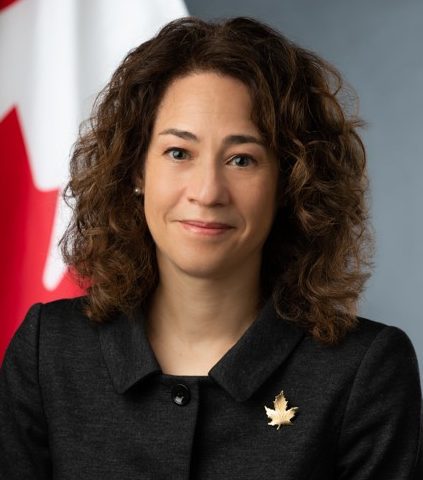
TIRANA, March 1 – Oil prices at a record low, the fragile recovery in top trading partners Italy and Greece, fiscal consolidation and the high level of non-performing loans are the key risks to Albania’s growth prospects, the IMF chief for Albania Anita Tuladhar has said.
Speaking in an interview with VoA in the local Albanian service after the Fund recently approved two new loan tranches worth €72.4 million, Tuladhar said oil prices at a record low risk investments in the oil exploration and extraction sector which has been one of the key drivers of the country’s growth.
“Failure to meet revenue targets has been the main source of fiscal risk. Of course if oil prices continue to fall and economic growth remains low, this will be the key risk for the fiscal deficit,” said Tuladhar.
Other external risks include a possible new financial turmoil in neighboring Greece, the country’s second largest trading partner and slow recovery in top trading partner Italy. The two neighboring countries are the hosts of about 1 million Albanian migrants whose remittances have sharply reduced since the start of the global financial crisis in 2008 affecting both consumption and the construction sector.
After the energy and the pension reforms, the IMF urges the Albanian government to continue structural reforms that would improve the business climate and boost investor confidence.
“The main risk among internal factors is the speed of structural reforms. If that slows down it would negatively affect investor confidence and perspective,” says Tuladhar.
“It is important to implement reforms in the justice sector, property rights and the rule of law so that favourable investment climate promoting growth is created,” she adds.
Further reducing the level of non-performing loans, currently at 17 percent from a peak level of 25 percent in mid-2014 is also considered key for the recovery of credit.
According to the IMF official, fiscal consolidation and the implementation of structural reforms sends a strong message to markets and donors such as the latest rating by Standard & Poor’s which recently upgraded Albania’s long-term credit ratings back to ‘B+’ with a stable outlook.
The IMF expects Albania’s short-term growth to come from foreign direct investment in the energy sector such as the ongoing construction of the Trans Adriatic Pipeline in its Albania section and the Devoll hydropower plant by Norway’s Statkraft.
The IMF also advises transparency with public-private partnerships regarding their fiscal risks.
In a fiscal transparency evaluation report, the IMF warned some 55 public-private partnerships the Albanian governments have signed during the past decade, have created commitments with a present value of about 7 percent of the GDP or €700 million in which the government will either pay the cost of the investment in installments or guarantee the revenue of concessionaires.
In line with the Albanian government, the IMF expects Albania’s growth to 3.4 percent in 2016, up from 2.7 percent in 2015.
In early 2014, Albania signed a new deal with the IMF supported by a three-year €331 million loan to clear accumulated government arrears and support reforms.