TIRANA, July 4 – 2017 is emerging as a year of weather extremes in Albania and across Europe with January bringing the coldest temperatures in three decades and summer being also one of the hottest in decades.
Lack of rainfall for the past couple of months is having a negative impact on Albania’s hydro-dependent domestic electricity generation, access to tap water and the agriculture sector.
With water flows at the country’s biggest hydropower plants at an almost historic low, Albania is relying on imports to meet its rising electricity needs as a heat wave has hit the country already in its peak tourist season. Imports currently meet about 60 percent of the country’s domestic electricity needs as the prolonged drought has sharply reduced electricity production from the main three state-run hydropower plants and hundreds of smaller private and concession HPPs.
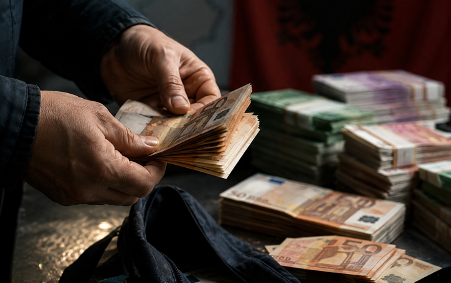
State-run OSHEE electricity distribution operator has launched a new call for the emergency purchase of another 112,000 MWh for July 7 to 31, which based on the average €57.41/MWh purchased in late June, is expected to cost the operator about €6.5 million.
Power corporation, KESH, is currently producing electricity by making use of natural water flows in order not to further reduce water levels in the country’s northern Drin Cascade, producing about three quarters of domestically generated electricity.
Water levels in the Fierza lake have currently dropped to 272 meters, down 7 meters compared to last April, but still about 27 meters above the country’s biggest hydropower plant stoppage point.
The OSHEE distribution operator blames the deteriorated hydro situation on lack of imports last June and failure to make use of Euro 22.4 million World Bank loan in time.
The state run KESH power utility managing the country’s three largest hydropower plants and the OSHEE electricity distribution operator had already purchased electricity worth about €17.2 million for the June 10 – July 31 period.
The high level of imports is also expected to affect planned investments and targets to further reduce grid losses in the electricity distribution sector.
The prolonged drought and increased electricity consumption has also causing sporadic power cuts, including capital Tirana which is also facing shortage of tap water in some neighborhoods.
Officials have called on households to save both electricity and tap water.
The prolonged drought Albania has been facing is also affecting the agriculture sector, especially corn fields after farmers have already had their wheat harvests. The major part of Albania’s agriculture land lacks irrigation systems, relying on sporadic rainfall during summer, although the country has plenty of water sources it can make use of.
Agriculture is a key sector of the Albanian economy employing about half of the country’s population, but producing only a fifth of the country’s GDP, unveiling its poor efficiency.