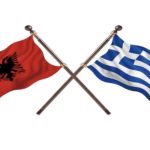
Ethnic violence in Macedonia and Serbia’s push to extend elections into Kosovo are troubling signs nationalism is on the rise again in the Balkans.
TIRANA TIMES EDITORIAL
TIRANA, March 15 – In a dramatic escalation of ethnic tensions in neighboring Macedonia, there has been violence there against ethnic Albanians after an incident in the northwestern town of Gostivar in which a Macedonian police officer shot and killed two young ethnic Albanian men. Protests in Gostivar ended in violence and serious damage to property.By March 9, there had been a series of attacks on buses and in the streets involving clashes between Macedonians and ethnic Albanian youths.
This comes as an increasing anti-Albanian sentiment has taken over the Slavic majority of our neighboring country. The pro-government Sitel television is now using blatant anti-Albanian language in its newscasts. And the cherry on the pie has been the recent burning of the Albanian national flag, which has gone viral on You Tube.
The Macedonian media says the country is on the brink on civil war again. We don’t know if that’s the case, but what we are seeing next door is a troubling sign.
Burning of flags in the Balkans reflects first and foremost the problems that exist within states – as in Macedonia between that country’s Slavic and Albanian populations. These are reflected in the relations between states too – in this case Macedonia and Albania. There are populist and nationalist winds blowing through this region right now as the economic crisis intensifies and attention of the international community is focused elsewhere.
These winds are serving as fuel to the type of fires that burn national flags and can grow large enough to engulf entire countries. They need to be stopped, and the most efficient way to do so is refocusing on the EU integration agenda.
The European integration agenda was the local firefighter. But it has run out of water of late. Macedonia, a candidate country for EU membership for several years has failed to advance in its goal. And other countries in the region are in the same boat.
Serbia for example has again given rise to nationalist fires by pushing for its elections extend to Kosovo, while there is an agreement between Brussels and Belgrade to give up parallel institutions in Europe’s newest state and Serbia’s former province.
The EU offered Serbia candidate status after Belgrade agreed Serbia would reflect on its past and deal with Kosovo in a European manner. However the decision by Belgrade (reversed at the last moment) to hold its own elections in parts of Kosovo, a sovereign state recognized by nearly 100 UN members – including the vast majority of the world’s democratic countries – clearly shows that Serbia’s state of mind is still in the old Balkans – not in Europe.
The other problem is that ethnic conflict – whether beating up Albanians students in Macedonia or holding Serb elections in Kosovo – has and will continue to create a strong response both within and among nations and states in the Balkans.
These latest events are a bad omen for the region and measures should be taken to stop any