
TIRANA, July 3 – Albania hailed the end of the international on Kosovo as another step toward its full recognition in the world.
Tirana, through statements from the Prime Minister, Foreign Minister and the president, also said that the end of the 13 years of European monitoring and oversight brings Kosovo closer to its aspirations to the European Union and the NATO, as the country, which declared independence only four years ago, has made significant progress towards its transformation into a western democracy.
Official Tirana has continuously swept aside separate rumors of a future creation of the Greater Albania with the joining of the two countries.
It has always said that Tirana and Prishtina will be together in the European Union and NATO as equal partners and members there.
A 25-nation group supervising Kosovo’s democratic progress announced Monday that it will end oversight of Europe’s youngest independent nation in September, a move that will bring the ethnically divided country closer to its aspirations of European Union and NATO membership.
The decision, announced Monday in Vienna by Pieter Feith of Kosovo’s International Civilian Office, reflected confidence that Kosovo’s leadership could reduce tensions between majority ethnic Albanians and minority Serbs. However, international military and police units will still patrol Kosovo to lower the risk of ethnic violence.
Kosovo Prime Minister Hashim Thaci pledged to work hard for reconciliation.
Feith said “much remains to be done” in Kosovo’s transformation into a Western-style democracy that meets EU criteria. But he also noted progress, including in the northern Serb region whose people had long seen neighboring Serbia as their lifeline but now in “increasing numbers are asking for services from the Kosovo government. ”
The mandate of the International Civilian Office, which operates under the 25-nation International Steering Group, was to run out this year. Monday’s announcement affirmed expectations that Kosovo will enact remaining legislation guaranteeing and strengthening democratic institutions and human rights by September.
While 91 countries have recognized Kosovo’s 2008 independence declaration, Serbia נbacked by Russia, China and others נhas not, although recent meetings between the two sides have narrowed some differences.
A Steering Group communique issued Monday praised Thaci’s “intention to deepen his government’s engagement with the Serb community in the North … and to continue engaging actively in dialogue with Belgrade.”
Thaci acknowledged “uneasy challenges … ahead of us.” At the same time, he declared commitment to “all the necessary reforms … for integration into NATO and the European Union.”
“At a time when many countries are coping with economic problems, ethnic strife and governmental gridlock, one of the world’s newest countries can offer lessons in peacemaking and problem-solving,” wrote Thaci after the move, considering the international decision as “a milestone on its journey to self-government.”
Tirana hails end of Kosovo’s international supervision

Change font size:

Latest from News
Mecca Defense Pact Signals Saudi Arabia’s Bid to Shape a New Security Order
Change font size: - + Reset The agreement with Turkey and nuclear-armed Pakistan strengthens Riyadh’s position as a central architect of regional security, while reflecting a broader shift toward a more multipolar

SPAK Brings New Charges Against Former Deputy PM Balluku
Change font size: - + Reset Tirana Times, August 07, 2026 — Albania’s Special Prosecution Office Against Corruption and Organized Crime has brought new allegations against former Deputy Prime Minister Belinda Balluku, widening
Milošević’s Language Returns to Serbia’s Government
Change font size: - + Reset Ethnic Cleansing Remark Tests Serbia’s Claim to Have Broken With Milošević A Serbian minister’s declared willingness to expel Kosovo Albanians has drawn condemnation across the region
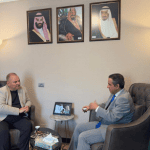
Saudi Ambassador Meets Head of Albania–Saudi Parliamentary Friendship Group
Change font size: - + Reset Tirana Times, July 6,2026 – Saudi Arabia’s Ambassador to Albania, H.E. Turki bin Ibrahim Al-Madi, received Albanian MP Baldi Çomo, Chairman of the Albania–Saudi Arabia Parliamentary Friendship

Anti-Government Protests Escalate in Tirana as Demonstrators Block Parliament
Change font size: - + Reset Tirana Times, July 03, 2026 – Albania’s month-long anti-government protest movement entered a more confrontational phase on Thursday, as demonstrators gathered outside Parliament, blocked access points