 TIRANA, March 22 – London-based World Travel & Tourism Council expects Albania’s emerging tourism industry to continue increasing its contribution to the country’s economy through higher employment and investment over the next decade. In its latest Economic Impact Research report, the WTTC says the direct contribution of travel and tourism to the Albanian economy was 87.6 billion lek (€625 mln) or 6 percent of the GDP and is expected to increase by 5.4 percent annually to reach 156.5 billion lek (€1.1 bln) to 7.9 percent of the GDP by 2026.
The sector’s total contribution including wider effects from investments, the supply chain and induced income impacts is expected to grow by 5.4 percent to (€2.3 bln) or 21.5 percent of the GDP in 2016 and accelerate to 27.2 percent of the GDP in 2026.
The London-based organization estimates the travel and tourism industry directly supported 51,000 jobs in 2015 and expects employment numbers to increase by another 26,000 over the next decade. This includes employment by hotels, travel agents, airlines and other passenger transportation services excluding commuter services. It also includes the activities of the restaurant and leisure industries directly supported by tourists.
The total contribution of Travel & Tourism to employment including wider effects from investment, the supply chain and induced income impacts in 2015 was 180,000 jobs or 19.3 percent of total employment and is forecast to support 265,000 jobs in 2026.
The WTTC says in 2015 Albania generated 204 billion lek (€1.45 bln) in visitor exports, which includes money spent by foreign visitors.
In 2016, this is expected to grow by 5.7 percent and the country is expected to attract 3.8 million international tourist arrivals. By 2026, international tourist arrivals are forecast to total 5.8 million, generating expenditure of (€2.63 bln), an increase of 5.5 percent annually.
Travel & Tourism investment in 2015 was €142 mln, or 5.7 percent of total investment. It should rise by 1.4 percent in 2016, and grow by 4.5 percent annually over the next ten years to €224mln in 2026 (6.5 percent of total), says the WTTC.
With an expected annual growth rate of 5.4 percent annually over the next decade, the WTTC ranks Albania 52th out of 184 countries worldwide for its long-term growth prospects, better than almost all regional competitors.
The global outlook for Travel & Tourism in 2016 remains robust, despite economic fragilities and other sources of volatility in the wider market, says WTTC.
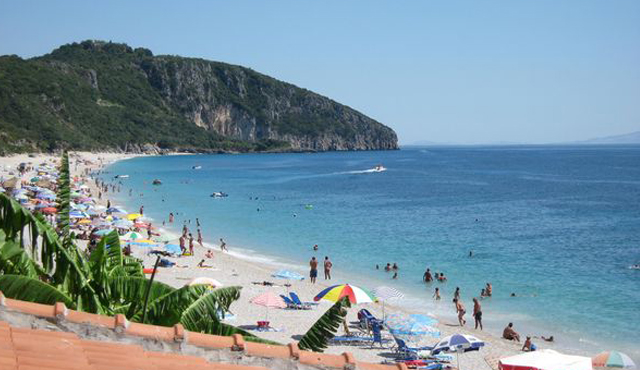
With tourism on top of the agenda as one of the emerging drivers of economic growth, Albania has been actively promoting its coastal, mountain and cultural heritage tourism in a bid to become a year-round destination to compensate for construction and remittances-fuelled growth in the pre-crisis years.
The Albanian government is seeking to attract foreign investment in the tourism sector by offering potential investors state property in priority areas for a symbolic 1 Euro for up to 99 years in return for investment of more than €50 million.
Tourism revenue registered a record high of €1.2 billion in 2014 when more than 3.6 million foreign tourists visited Albania, according to data published by the central bank and INSTAT.