
TIRANA, Jan. 15 – The World Bank expects the Albania economy to grow by 1.3 percent in 2013 and accelerate to 2.1 percent in 2014. In its Global Economic Prospects report published this week the World Bank expects Albania growth to further accelerate to 3 percent in 2015 and 2016.
Albania’s current account is expected to drop from 10.8 percent of the GDP in 2012 to 8.2 percent in 2013 and 7.1 percent in 2014.
Supporting and strengthening the fragile recovery and growth in Albania requires a shift from domestic demand driven growth to export-oriented growth, says the World Bank in its recommendations to the new Albanian government out of the June 23 general elections. In its set of policy briefs intended to serve as input to the new government’s program of reforms, the World Bank suggests fiscal consolidation to reduce public debt over the medium term as a priority for macroeconomic stability and growth. Public debt expected to climb to 69 percent of the GDP by the end of the year, unpaid government bills and arrears at around 400 million euros and bad loans at 25 percent are considered the major threats to the Albanian economy which has been suffering escalating spillover impacts from the Eurozone crisis and top trade partners Italy and Greece.
With fiscal space exhausted and the role of the monetary policy circumscribed, little can be done at present to revive domestic demand through macroeconomic policies. The fiscal consolidation will need to be accompanied by a fiscal rule to put in place a new fiscal anchor as well as strengthen the financial discipline, say World Bank experts. “For growth, the way forward must be to tap external demand which for a small economy like Albania remains an important source of growth. For this, Albania needs to accelerate structural reforms in at least three areas: improving the quality of governance and rule of law; strengthening the quality of human capital (education and skills) and overcoming infrastructure bottlenecks, in particular in the power sector,” says the World Bank.
GDP growth in the Central and Eastern European sub region is expected to reach 2.6 percent by 2016, up from an estimated 1.5 percent in 2013, supported by strengthening economic activity in the Euro Area. Despite stronger growth, domestic demand, is expected to remain sluggish as a result of ongoing banking sector restructuring and tighter international financial conditions, which will weigh on investment and consumer durable demand. Ongoing or planned fiscal consolidation in some countries (such as Albania, Macedonia and Serbia) will also partly offset the growth impetus from stronger exports. While conditions are projected to improve, growth will not be strong enough to make a substantial dent in regional unemployment and spare capacity over the forecast horizon, says the Global Economic Prospects report.
World Bank expects growth to accelerate to 2 to 3 percent

Change font size:


Latest from Business & Economy

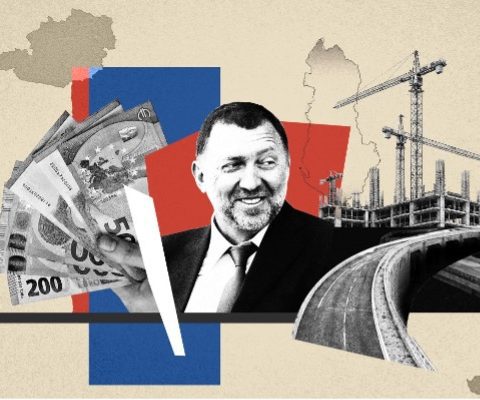
How a Sanctioned Russian Oligarch’s Business Interests Reached Albanian Public Contracts
Change font size: - + Reset Millions of euros flowed to companies linked to Strabag while Oleg Deripaska remained a major shareholder, exposing gaps in Albania’s ability to identify who ultimately benefits
Albania’s Cash Boom Raises Money Laundering Concerns
Change font size: - + Reset Cash outside Albania’s banking system reached a record 5.6 billion euros, last month. Tirana Times, August 30, 2026 – The amount of cash circulating outside Albania’s

Vlora Airport Heads to Arbitration
Change font size: - + Reset Albania faces another potentially costly international dispute after losing several arbitration cases in recent years that have exposed the state to hundreds of millions of euros

Concrete, Cocaine and Corruption: Albania’s Fragile Growth Model
Change font size: - + Reset Albania’s Concrete Economy: How Construction Became the Country’s Dominant Growth Model Tirana Times, July 10, 2026 – A booming construction sector has made Albania an outlier

Austria Leads FDI, but Real Estate Tells the Bigger Story
Change font size: - + Reset Bank of Albania data show Austria topping first-quarter foreign investment flows, while property and construction continue to shape Albania’s FDI model. Tirana Times June 25, 2026