TIRANA, April 5 – The direct and total contribution that the travel and tourism industry has to Albania’s GDP, employment and exports ranks Albania’s one of Europe’s best performers and prospects over the next decade remain optimistic, according to a report by London-based World Travel & Tourism Council, WTTC.
With the total relative contribution of tourism at 26 percent of GDP, Albania ranked 26th out of 185 countries worldwide and one of Europe’s best, leaving behind regional destinations with a much earlier tradition in tourism such as regional competitors Croatia and Montenegro, but also some of Europe’s leading destinations such as Italy, Greece and Turkey.
However, due to the modest GDP of about $13 billion in 2017 compared to established European destinations, Albania ranks 95th out of 185 countries in absolute terms with the sector total contribution to GDP at a mere $3.5 billion compared to about $14 billion in Croatia and $235 billion in Italy.
The WTTC report shows long-term prospects appear optimistic as Albania’s travel and tourism contribution to GDP, capital investment and employment is expected to register one of Europe’s fastest growth rates over the next decade.
Albania ranked 27th for the travel and tourism relative total contribution to employment and 20th for visitor exports’ contribution to exports for 2017.
The 2017 direct contribution of the travel and tourism industry to Albania’s GDP was at $1.1 billion, 8.5 percent of the country’s GDP and is forecast to rise by an annual average of 4.7 percent a year over the next decade to climb to $1.85 billion or 9.3 percent of annual GDP by 2028, says WTTC in its latest Economic Impact Research report.
The sector’s 2017 total contribution to GDP including wider effects from investments, the supply chain and induced income impacts was three times higher at about $3.5 billion or about 26 percent of the GDP.
When it comes to employment, the travel and tourism industry directly supports 93,500 jobs, about 7.7 percent of total employment in Albania, but the sector total contribution including jobs indirectly supported by the industry is at about a quarter of total employment with an estimated 291,500 jobs that are forecast to increase by another 52,500 jobs by 2028.
The London-based organization says inbound tourism generated a record high of about $2 billion in 2017, accounting for more than half of the country’s 2017 total exports while travel and tourism investment was estimated at about $270 million, accounting for 7.5 percent of total investment.
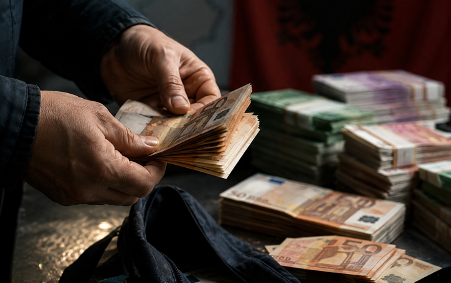
The travel and tourism industry was one of the key drivers of the Albanian economy in 2017 when it generated a record high of €1.7 billion in income, up about 12 percent compared to a year ago as the country was visited by more than 5 million foreign tourists, according to central bank and INSTAT data.
With tourism on top of the agenda as one of the emerging key drivers of Albania’s growth, the Albanian government is offering a series incentives for current and new investments in a bid to also promote luxury travel in the country in addition to the rapidly growing mass tourism.
New luxury accommodation units built by internationally renowned chained-brand hotels or under management or franchise contracts with them, will benefit tax incentives for a ten-year period for building and operating four-star hotels and resorts with an investment value of at least €8 million or five-star units worth at least €15 million, according to a package of tax incentives Albania approved in late 2017.
Closed to tourists for about five decades until the early 1990s, Albania offers a miscellaneous picture of coastal and mountain tourism and has been attracting more and more foreign tourists in the past decade, being nicknamed “A new Mediterranean love” and “Europe’s last secret.”