
TIRANA, Nov. 23 – Albanian President Bamir Topi and his wife as well as foreign diplomats joined groups of children last weekend to mark the 20th anniversary of the Convention on the Rights of the Child.
At the same time Amnesty International appealed to Albania to stop placing kids in orphanages unnecessarily
“Albania has made a visible progress in protection of children’s rights, but more efforts are needed for improvements,” First Lady Teuta Topi told participants, adding that the government should be the main actor in preservation of physical, moral, medical, educational and cultural integrity of the children, whose rights are non-negotiable.
The United Nations Children’s Fund (UNICEF) praised Albania for what it has done to protect and promote children’s rights during the past 20 years.
“There are many improvements, including improved health services for children and higher enrolment in schools,” UNICEF’s Albanian branch said in a press release.
However, there is much more to be done, especially when Albania is preparing for European integration, the release said.
A latest living standard survey indicated that 12.4 percent of all Albanians still live in poverty, and half of them are children. One recent demographic and health survey found that one out of six children in Albania are stunted or too short for their age.
“We believe these challenges can be overcome when all people agree, recognize and accept that all children are entitled to enjoy their fundamental rights,” said Detlef Palm, representative of UNICEF in Albania.
The U.N. General Assembly adopted the Convention on the Rights of the Child on Nov. 20, 1989. Albania ratified the treaty in 1992
Amnesty International called on the Albanian authorities to ensure that children are not placed in orphanages unnecessarily.
Amnesty is concerned that poverty remains one of the main reasons for the placement of children in orphanages in Albania, said a statement. Many of these children have a parent or other close relatives, but their families cannot afford to support them.
Amnesty is calling on the government to provide greater assistance and support to such families, so that they may raise their children within the family.
In a memorandum sent this week to the President of Albania and the Albanian government the organisation writes: ‘There are children in residential care today whose best interests would be served by remaining in their families, and who have a parent or other close relatives who would care for them if adequate economic assistance and other support were available’. These children are being denied their right to family life.
Amnesty International is also concerned that there is inadequate individual care, supervision and follow-up for orphans and other children without parental care leaving state children’s homes. In particular, those sent to vocational boarding schools do not receive appropriate state protection and assistance up the age of majority (18 years) as is their right, under national and international law. As a result, many drop out of school, and do not acquire the skills and qualifications that would enable them to live independently. As adults they are likely to be homeless, and to be at risk of extreme poverty and social exclusion. Amnesty International again calls on the Albanian authorities to implement the right of orphans to priority with housing and employment, as required under national law.
The Albanian government has already taken some legislative and other measures to improve the protection of children in alternative care, but their practical effect has so far been limited. While draft amendments to the law ‘On Social Assistance and Services’ are currently under consideration, which will reportedly benefit some categories of orphans, it remains to be seen whether these will be effective in reducing the number of children placed in alternative care.
Amnesty International called for further measures, based on the guidelines, to ensure that fewer children are taken into care, that families at risk of relinquishing their children are supported, and that as young people make the transition to independence they receive the individual support and guidance they need.
Albania marks UN children’s rights convention, criticised from AI

Change font size:

Latest from News
Milošević’s Language Returns to Serbia’s Government
Change font size: - + Reset Ethnic Cleansing Remark Tests Serbia’s Claim to Have Broken With Milošević A Serbian minister’s declared willingness to expel Kosovo Albanians has drawn condemnation across the region
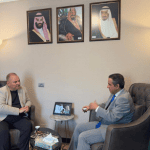
Saudi Ambassador Meets Head of Albania–Saudi Parliamentary Friendship Group
Change font size: - + Reset Tirana Times, July 6,2026 – Saudi Arabia’s Ambassador to Albania, H.E. Turki bin Ibrahim Al-Madi, received Albanian MP Baldi Çomo, Chairman of the Albania–Saudi Arabia Parliamentary Friendship
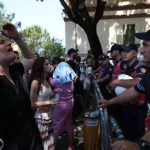
Anti-Government Protests Escalate in Tirana as Demonstrators Block Parliament
Change font size: - + Reset Tirana Times, July 03, 2026 – Albania’s month-long anti-government protest movement entered a more confrontational phase on Thursday, as demonstrators gathered outside Parliament, blocked access points
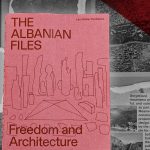
Are Europe’s Star Architects Helping Launder Albania’s Criminal Economy?
Change font size: - + Reset The Albanian Files suggests that international architecture may have served not only as design, but as a prestigious façade for opaque money, captured institutions and one-man
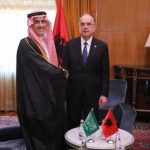
Saudi Ambassador Presents Credentials To Albanian President As Ties Gain Momentum
Change font size: - + Reset Tirana Times, June 05, 2026 – Saudi Arabia’s new ambassador to Albania, Turki Ibraheem Almadhi, presented his credentials to President Bajram Begaj, marking the formal start