Diplomats can’t help but be – well – diplomatic. But in cases where they know there is a marriage of crime and politics as well as corruption in the justice system and elsewhere among public officials — if they want to help this country out, they should take off the diplomatic gloves and address the issue head on — telling the Albanian people in a direct and clear manner what wrongdoing is being done and who is doing it.
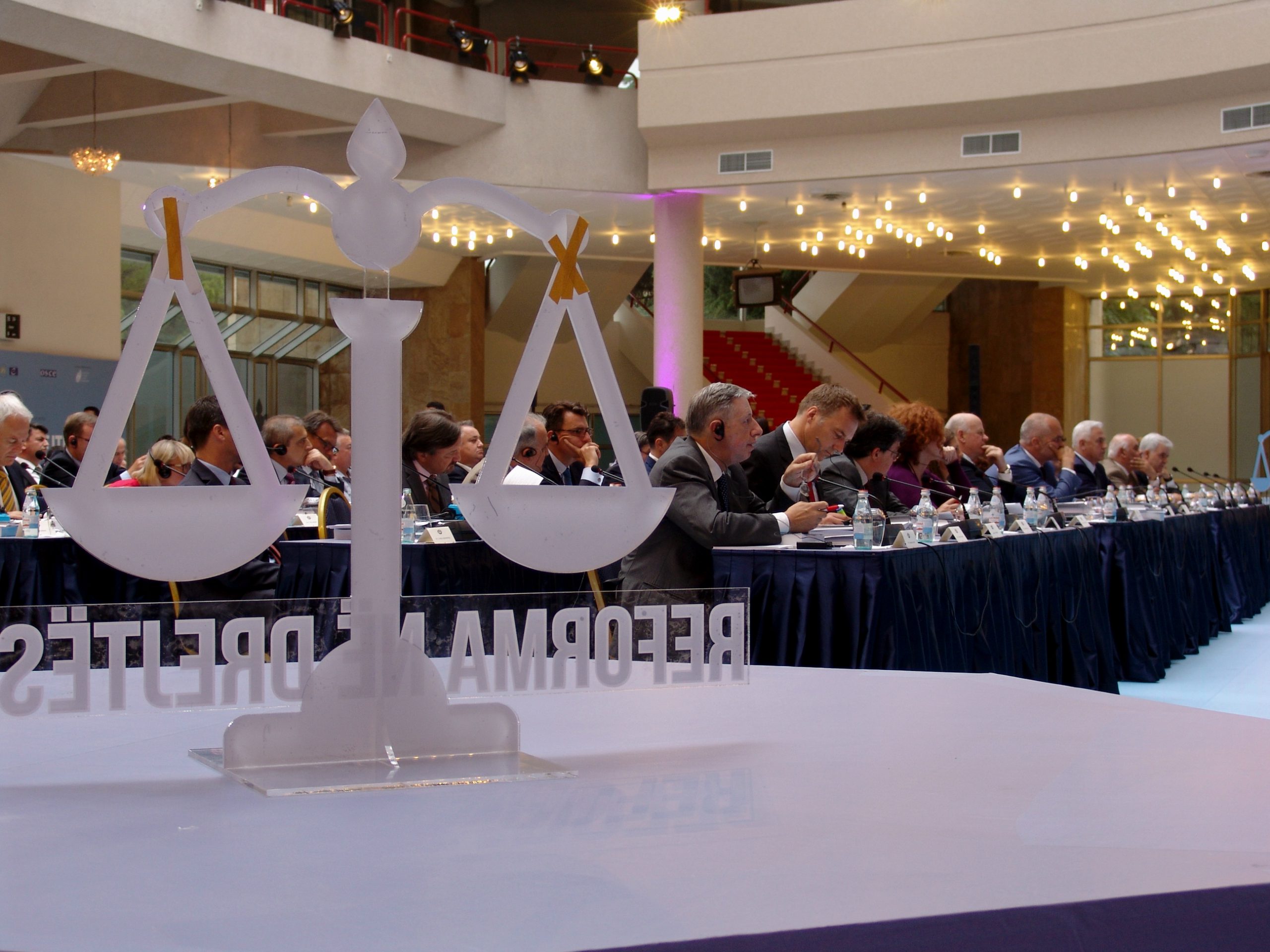
It was encouraging to see three key diplomats this week do so, at least partially, at a conference discussing corruption in the judiciary and reforms that must be undertaken to deal it.
We noted a stronger than usual language, particularly from EU Ambassador Romana Vlahutin, who rarely speaks to the media or the public, but who clearly prefers quality over quantity of engagements with the Albanian public and the media.
In recent weeks, she and other diplomats addressed the issue of people with criminal past running in the upcoming elections, saying that even with some last-minute removals, more people with shady pasts remain on the ballots and will get a chance to get elected.
Addressing trends and concerns is one thing, naming names is the other, and the latter is what Albania needs today. We urge the diplomats with information that can help Albanian voters decide what is best for them to release the information before the upcoming local elections.
Why? Diplomats are among the few people in this country who can speak freely on these cases without running the risk of being seen as taking sides. We wish it wasn’t that way. We wish that there were Albanian actors that could do the same. But that is not the case today.
Of course, only a court of law and empowered authorities to do so can decide who is guilty, so hesitation to name names is understandable. But this can be done in a manner that is fair to all concerned by simply releasing to the Albanian public all information they have and how they received it. Sources need to be revealed where possible and documents can be forwarded to the media. Albania’s rumor mill is famous, so if all information is based on unproven rumors and unverified sources, that needs to be stressed as well.
Once all the information is public, if there is no action authorities can take because the case is not covered under Albania’s current laws and regulations, at least voters will know and act accordingly.
The voters have a right to know if the mayoral candidate, on whose selection they had little say to begin with, has a criminal past in Albania or elsewhere. It is only fair.
We realize this type of disclosure is not in the diplomatic job description and perhaps the Albanian state and political leaders would not welcome such prodding. However, the relationship foreign diplomats manage when they get accredited to this country is not with the political parties or the government, it is with the Albanian people. That’s the case even more so in countries where democracy is weak and the people in political or judicial office do not necessarily represent the best interests of the people they are supposed to serve.
What diplomats do or say has an effect. After the stinging words earlier this week, two judges have already been arrested on corruption charges. More on this direction would be welcomed by the Albanian public.
We realize that this type of intervention in Albanian public life is not on the job description for ambassadors and other international representatives – that Albanians need to take care of Albania – but when those in positions of power have all the wrong incentives, it becomes necessary to help the Albanian people directly – at least until the country strengthens its institutions enough.