 TIRANA, July 30 – Prime Minister Edi Rama announced on Thursday the Albanian government has identified new sources of growth to handle the declining construction and remittances-fuelled growth in the pre-global crisis era.
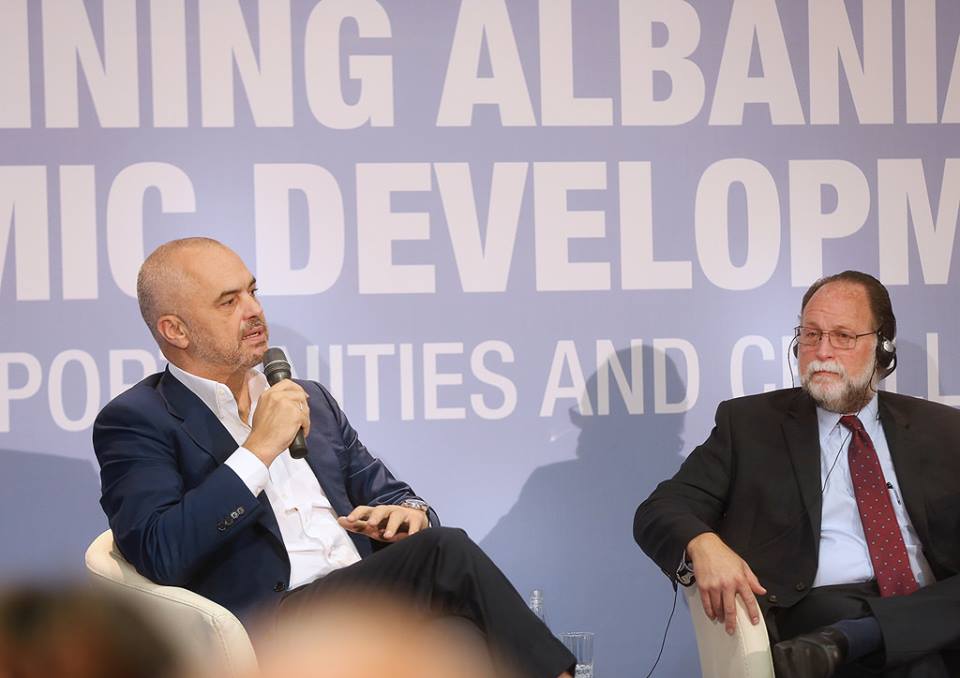
Speaking in Tirana at a conference organized with Center for International Development of the Harvard University, Rama said the Albanian government had identified energy, the oil and mineral sector, agriculture, tourism and manufacturing as the new five key drivers of the economy which he said will shift Albania into a model of “sustainable economic growth, real and low cost employment.”
The Prime Minister said the government would undertake new nationwide campaigns next September to curb losses in running water and reduce informality.
A reform in the energy sector launched in late 2014 has proved successful in curbing widespread electricity thefts and losses, bringing government an extra 100 million euros in income, but has reduced consumption due to the compulsory payment of accumulated unpaid bills.
With the Albanian economy struggling at growth rates of 1 to 2 percent in the past three years, the World Bank says improving the investment climate and reforms in the energy and property rights areas are key to the country’s new growth agenda and its transition from a consumption and remittances-based model to a model oriented toward investments and exports.
In its 2013-2017 program, the Socialist Party-led government recognized the limitations of the development model based on a remittances-fuelled construction boom and raw material exports, and aims to shift the focus to new sources of growth by identifying manufacturing, energy, tourism and agribusiness as priority areas.
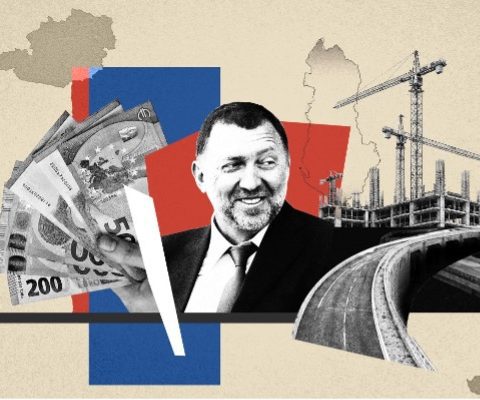
Remittances are estimated to have declined to 6 percent of the GDP at the end of 2014 compared to around 12 percent of the GDP just before the onset of the global financial crisis in 2008. Meanwhile, the long-ailing construction sector, once a key driver of the economy, has seen its GDP share drop from 18 percent in 2008 to 12 percent in 2014.
With the attraction of foreign direct investment high on government’s agenda, Albania has recently launched an Investment Council serving as a linking bridge between the business community and the government and a catalyst helping to create the right business environment for investments.
Strategic investors in Albania’s tourism sector will also be offered state-owned property for a symbolic 1 Euro under 99-year concession contracts to develop tourist resorts.