TIRANA TIMES EDITORIAL
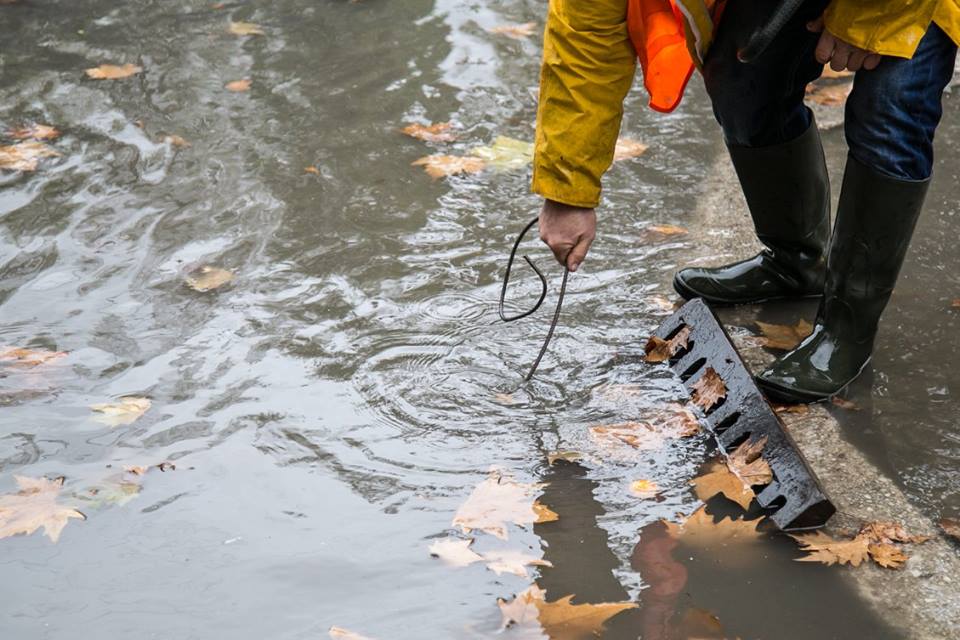
Floods and associated problems have become routine in Albania in recent years. This week, all it took was one night of torrential rain in the greater Tirana area to wreak havoc on the city’s water and electric supply systems and other parts of daily life.
Floods hit some neighborhoods and paralyze traffic for some time between the country’s two largest cities, Tirana and Durres. Two people also died, the latest victims of flooding that continues to take it human and economic tolls virtually every fall and winter in Albania.
This week, the pain was so acute, the city’s main hospitals told patients that were not in need of urgent care to go home due to lack of running water. The Tirana Trauma Hospital, one of the country’s largest was partially flooded itself.
Residents in the downtown area of the Albanian capital and other areas of the city took to social media to complain of the type of water shortages many had not seen since the chaotic late 1990s.
Water and electricity supplies are the basis of modern civilization. And to the credit of governments and state administrators of all shades (and generous international donors) in the areas where the majority of the country’s population lives these supply systems have stabilized one way or another for many years. Even so, a water supply system working 24 hours a day is only available through private reservoirs in Tirana, but as long as the municipal supply guarantees input at least once a day, the system works. The power supply has also long left behind the frequent blackouts of the past that hurt quality of life for ordinary Albanians.
But this week both systems failed.
The Municipality of Tirana, which runs the water supply company, and the state-owned power company, OSHEE, worked hard to fix the problems, which were eventually corrected. The question one can’t help but ask is: Why were they caught unprepared?
Natural disasters happen everywhere with similar outcomes, but one can’t accept blaming nature alone — because a lot of rain in November in Albania is the norm not the exception.
The increase of floods has two causes, according to experts: lack of proper infrastructure to channel the water and increased rain due to climate change.
We can’t do much about the latter – a concerning global issue for which Albania’s tiny population in global terms bears little responsibility. But we can do something about the infrastructure, which in the chaotic post-communist years has been neglected, destroyed and not invested enough in. Properly managing that infrastructure is also important.
The government needs to pour all its resources into investing in infrastructure that prevents floods. Investing millions into nice offices in downtown Tirana for government officials is nice, but if the office workers don’t have water at home to take a shower or electricity to run their irons, the offices will be simply empty pieces of art.
Art is wonderful. Hot water is a necessity.
To find problems – and there are many in the current state of affairs in Albania – is also easy. The hard part is to offer and implement solutions.
The simple solution is to have administrators of state-owned companies and their elected supervisors plan better for the long and medium terms.
The current government says all the right things about short term pain and long term gain. But we are not seeing enough action.
We hope that the disastrous failures of this week in the water supply system in Tirana will serve as a wake up call for the country’s and city’s current administrators to the need of better long-term planning and better management.