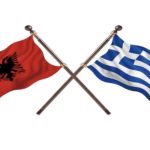
The refugees making their way through Turkey and Greece up north to their desired destinations have not used Albania so far. Albanian police has sporadically caught small groups passing through the Albanian Greek border so the route is not entirely unknown to them. However the Albanian state does not have any functioning rail infrastructure, a desired mechanism for refugees who have to cross large distances. Albania’s border terrain is also tough: there are a few good crossing points to Montenegro with the rest too mountainous. To reach Italy there is a large stretch of water, dangerous to cross as many unfortunate Albanian migrants have tried on their skin in the 90s. A safer yet undesirable route would be to cross once again back east to Kosovo or Macedonia and retry the northern passage.
This week authorities have claimed on national media that negotiations are under way with the Greek state and eventually with the EU as well to facilitate the passage of up to 15.000 refugees. The Albanian government has drafted an emergency plan and even calculated how much financial assistance to seek from the European partners should this route become the way to go. However to avoid potential fears and misconceptions the public needs more clarity than official reassurances. Knowing that there is a calculated bill does not translate into the reassurance that European partners have agreed to foot it.
The crucial questions is: What would guarantee the free flow of refugees and avoid their being trapped in Albania? So far it seems no guarantees would be valid. The borders are closing everywhere. Italy is taking extra measures to make sure that the Adriatic route does not activate again. The deal reached between EU and Turkey does not involve arrangements for refugees that may find themselves in the Balkans. Albania would need significant foreign assistance to handle the refugees’ flux and even more so to manage a long-term stay of large numbers. So far the concrete measures seem to be taken by Italy who has guaranteed the joint patrol of the Albanian border with Greece.
This is not to say that Albania should not offer solidarity and help. On the contrary. Albania should comply with the best possible international human rights standards. It is a country with very fresh and very direct experience of migration related to poverty and despair. Its people have a strong sense of solidarity and its civil society could offer help as well. However for this positive potential to materialize more clarity is necessary. The current autopilot mode is not viable. The plan should be made public and shared especially with relevant organizations and community associations.
Moreover to avoid misconceptions the public needs to know more about the safety measures, the mechanisms that will be in place to identify security concerns and fight off risks and threats. A little bit more than 100 Albanians citizens have joined the ranks of foreign fighters in the conflict in Syria during the last years. The refugee flux should not compromise the current efforts of many actors in Albania to combat radicalism and violent extremism.
So far refugees themselves have avoided the transit route through Albania. It is unclear whether interstate agreements will show them the option they seem to have willingly missed so far. The scenes form the Greek islands and Macedonia borders parade to the Albanian news edition viewer sometimes even as far as three times per day. Albania cannot assure its people just by saying they have got a plan. Knowing what the plan really is might do the trick better.