TIRANA, May 16- Balkan Insight in Albania has prepared a report based on long investigation and data provided by the High Inspectorate of Declaration and Audit of Property and Conflict of Interest (HIDAACI) regarding the wealth of mayors from all municipalities in Albania, which was acquired while holding office. It turns out about half of them can’t justifying their wealth based on their income and declarations.
On June 30, Albanian citizens will turn to ballot boxes to elect the mayors of 61 municipalities in the country. Candidates to be elected for the first time, like those who will receive another mandate, are required to submit annually their property declarations to the HIDAACI . Since 2015, the HIDAACI has referred to the Prosecution three mayors on charges of false declaration of wealth-issues which have been dismissed with the argument of lack of evidence. However, the data provided by BIRN through requests for information suggests that the level of discrepancies in local property politicians’ declarations is many times higher than the number of lawsuits raised by this Inspectorate.
An analysis of all property declarations that 61 current mayors have filed by the end of 2017 reveals that 54 percent of them can not justify raising their wealth for at least one year of career. In total, the unjustified amount from the declared resources reaches the value of 201 million lek, or 1.6 million euros. Property Statements of current Mayors were analyzed with the assistance of three financial experts who categorized and put the data provided by property declarations into a database. The information was analyzed using the arithmetic-logical control method, which is similar to the forms the Inspectorate uses when verifying the wealth of public officials.
Arithmetic-Logic Control compares household financial records as well as other information with previous statements to identify hidden income data in transactions conducted by politicians, according to the Council of Europe’s Income Analysis Handbook and the assets of public officials. In other words, this check explains whether the money that the politician claims to have benefited is consistent with the assets and the money spent by him. The inconsistencies between incomes and expenses incurred are not necessarily illegal. However, these discrepancies do raise red flags, which normally require in-depth verifications from the High Inspectorate of Declaration and Audit of Assets and Conflict of Interest.
Unjustified wealth
Albania underwent a deep administrative-territorial reform in 2014, reducing the number of local units from 384 to 61. The reform wiped out divisions between townships and municipalities, and defined the consolidation of power in larger administrative units, with the purpose of using the financial resources better, as well as providing services to citizens. According to the HIDAACI annual report, 4746 public officials periodically declare their property and private interests. Declaration of property includes property of officials and family members, property source as well as financial obligations. Mayors hold only 1.3 percent of the total number of public officials.
Focusing on local mayor declarations, 509 property declarations were administered, and excluding the first year of the declaration of each of them, 436 statements were subjected to the method of arithmetic-logical control. The data analysis obtained through the arithmetic-logical control method shows that 60 out of 436 statements supplemented by mayors over the years 2003-2017 failed to pass the test. Problem statements account for 13.8 percent of the total analyzed.
Of the 61 verified mayors, only 28 resulted with no problems with the claimed property, while 33 mayors or 54 percent of the total had at least in one year of their career a negative difference between the declared income on one hand, and the assets or expenditure on the other side. Among the 33 mayors who failed in arithmetic-logical control, 22 resulted in unhenged margins only for one year of their career. 11 other mayors appear with negative differences from 2 to 6 years of wealth declaration.
The total unjustified value with legal resources from 33 mayors, is estimated at 1.6 million euros, or 10 percent of the total assets declared by the current 61 current chiefs. The analysis of asset declarations also shows that none of the mayors declared livelihood expenses over the years 2003-2017. If their financial statements were to add to the minimum living costs for the family, the number of problematic statements would increase from 60 to 139 or 32 percent of total statements. This means that out of the 61 mayors in office, 57 would have at least one year of their career unwarranted wealth through declared resources.
Plenty of red flags
In parallel with arithmetic-logical control, BIRN undertook an in-depth analysis of the structure of assets declared by 61 mayors for the purpose of identifying red flags in their statements, including gifts and loans from family members, real estate transactions in high values, shares in private companies or large cash savings. The structural analysis the media agency used is based on an already consolidated methodology developed and used by BIRN Albania in previous studies on the wealth of judges and prosecutors currently undergoing the vetting process as part of a reform aimed at purging the judicial system from corruption and restore public confidence in the institutions.
The insured data show that 61 mayors have jointly declared crude assets worth 14.2 million euros before starting their mandate as local elected candidates, with an average fortune for each of them at the value of 233,890 euros. By the end of 2017, the total wealth of mayors is estimated at 18.7 million euros, marking an increase of 4.5 million euros. However, the division of property among mayors is not the same. The data show that six mayors have assets of more than 1 million euros, 28 others had assets estimated between 100 thousand and 1 million euros, and 15 mayors declare in the band 50 thousand to 100 thousand euros. Only 12 mayors have declared assets of less than 50 thousand euros.
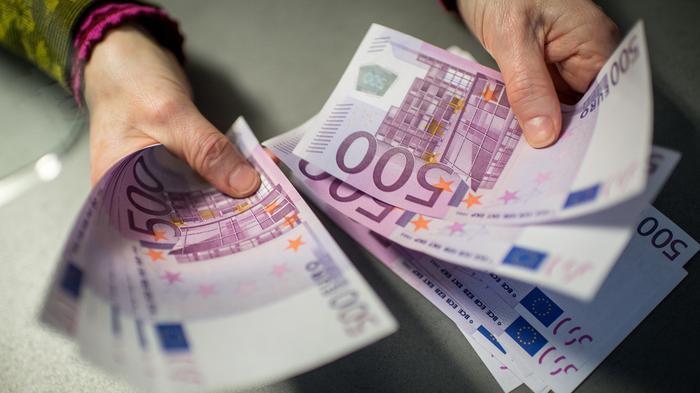
Of the total assets of 18.7 million euros, 76 percent consists of real estate, 11.4 percent of bank liquidity, and 5.6 percent or 1,047,202 euros are kept in cash. A smaller value, 251,595 is claimed to have been lended to third parties. High value of money held out of the banking system or loans to third parties, which together constitute 6.9 percent of total assets are considered a red flag by best international practices. This should have encourage HIDAACI to undertake in-depth financial controls.
Another red flag identified by the qualitative analysis of mayors’ property declarations is the fact that none of them ever declares objects of special value more than 300,000 lek (2400 euros). Ownership of shares in private companies is estimated at 0.3 percent of total assets. However, because these companies generate large revenue for the chief architects, these assets should also be subject to verification.
The analysis of the obligations declared by the 61 mayors raised other red flags. By the end of 2017, the 61 mayors together had 3.8 million euros worth of liabilities, of which 55.2 percent belonged to banks, 32.1 percent were loans received to third persons, and 12.6 percent were unpaid liabilities to construction companies. The fact that 45 percent of the liabilities declared by 61 mayors were borrowed from third parties or unpaid obligations to construction companies marks another problem to be investigated. About 61 percent of the expenses declared by local mayors go for the payment of obligations, which should also raise alarm bells for domestic investigators.
Total revenues of 61 mayors during their years in office amount to 8.7 million euros. About 66.5 percent of this income stems from the salary as a mayor and family payments. A significant part, about 14 percent of revenues comes from dividends from businesses and another 5.9 percent from real estate transactions. The high value of income derived from businesses and real estate transactions, rents or cash gifts are also considered red flags for the wealth of local politicians. These red flags identified in the BIRN analysis do not necessarily prove to be illegal assets, but underline the need to strengthen the property declaration control mechanism to identify hidden assets or unjustified lifestyles by top local officials.