Why Albania is not ready for self-declaration when it comes to ethnicity and religion
Tirana Times
Like any modern state, Albania should perform periodic censuses of the population. But relying on self-declaration when it comes to ethnicity and religion in Albania’s current state might skew the truth and will likely do more harm than good.
Some officials and politicians have jumped to request the ethnicity and religious parts of the census be abolished, but one must look behind the declarations to understand why this issue is controversial and why it should be handled with a lot of care.
To a foreign audience, making a statement against self-declaration when it comes to such basic individual identification rights might seem like a violation of basic human rights. However, the devil is in the details that are not atypical in a Balkan landscape.
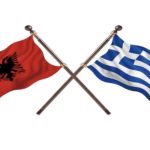
First, counting the ethnicity of Albanian citizens based on self-declaration has direct implications in relations with Greece, which has historically sought to increase the number of ethnic Greeks in Albania beyond what Albania traditionally recognizes as official minority population. Due to the huge economic imbalance between the two countries, there are large incentives for poor Albanians to declare themselves Greek for monetary gain.
Despite of being in the depths of an economic crisis, Greece continues to pay pensions to what is sees as ethnic Greeks in Southern Albania. Recent investigations by Albanian journalists have shown that in many cases poor Albanians forge their paperwork to pass for Greek in order to take advantage of special pensions. (Who wouldn’t want free money?!)
On the other side of the border, Albanians who say they are ethnic Greeks get preferential treatment in work permits. Albanians who live and work in Greece are also under tremendous pressure by their employers in the private and public sectors to change their names in order to get work. Such pressure is simply un-European.
In addition, the Greek governments have tried to artificially increase the numbers of the official ethnic Greek minority in Albania. So have political parties that are identified primarily with minority issues.
It is also tied with religion. Historically, Greeks have tried to portray Orthodox Christians in Albania as Greek, when the vast majority of this population is Albanian in language, culture and heritage – and has been a key part of Albanian nationhood.
On the religion issue, studies must also first be conducted to quantify what belonging to a faith means. We need to scientifically determine the relation of Albanian society with religion.
If a proper questions are not asked about degrees of religiosity, the results can be skewed and not reflect the reality on the ground, creating a lot of problems for Albania’s self image. They could even put a dent into one of the best assets of the country – religious harmony.
The government has decided to postpone the census based on ethnicity and religion. But it should perhaps cancel it all-together.