
TIRANA, March 13 – Corruption, weak judiciary and law enforcement bodies continue to hamper progress in the fight against organized crime in the Balkans, the Caucasus and Central Asia, says the U.S. State Department (USDS) in its annual International Narcotics Control Strategy Report (INCSR).
The report offers a comprehensive overview of anti-narcotics efforts abroad, addressing production and trafficking of drugs, as well as secondary crimes such as drug-related corruption and money laundering. Internal and international strategies of each country are assessed, and the report offers suggestions for improvements in the areas of law enforcement, admini-stration, and public awareness.
Albania is an exception, with its notable but decreasing production of marijuana.
According to the report, corruption presents a serious problem for Albania’s efforts to combat organized crime.
“Low salaries, social acceptance of graft and Albania’s tightly knit social networks make it difficult to combat corruption among police, judges and customs officials” the report reads. Despite the increase in the number of prosecuted corruption cases, the number of guilty verdicts dropped by 23 percent compared to 2010. “Some verdicts seemed ques-tionable, giving the evidence, suggesting that judicial independence for unbiased, transparent proceedings continues to be a problem.”
Albania urged for stronger fight against drugs

Change font size:


Latest from News

Milošević’s Language Returns to Serbia’s Government
Change font size: - + Reset Ethnic Cleansing Remark Tests Serbia’s Claim to Have Broken With Milošević A Serbian minister’s declared willingness to expel Kosovo Albanians has drawn condemnation across the region
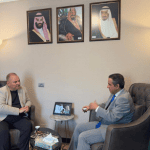
Saudi Ambassador Meets Head of Albania–Saudi Parliamentary Friendship Group
Change font size: - + Reset Tirana Times, July 6,2026 – Saudi Arabia’s Ambassador to Albania, H.E. Turki bin Ibrahim Al-Madi, received Albanian MP Baldi Çomo, Chairman of the Albania–Saudi Arabia Parliamentary Friendship

Anti-Government Protests Escalate in Tirana as Demonstrators Block Parliament
Change font size: - + Reset Tirana Times, July 03, 2026 – Albania’s month-long anti-government protest movement entered a more confrontational phase on Thursday, as demonstrators gathered outside Parliament, blocked access points
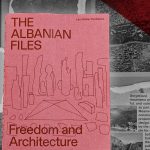
Are Europe’s Star Architects Helping Launder Albania’s Criminal Economy?
Change font size: - + Reset The Albanian Files suggests that international architecture may have served not only as design, but as a prestigious façade for opaque money, captured institutions and one-man
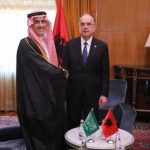
Saudi Ambassador Presents Credentials To Albanian President As Ties Gain Momentum
Change font size: - + Reset Tirana Times, June 05, 2026 – Saudi Arabia’s new ambassador to Albania, Turki Ibraheem Almadhi, presented his credentials to President Bajram Begaj, marking the formal start