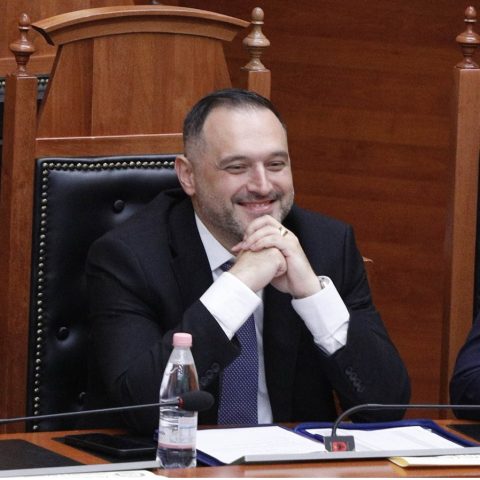
TIRANA, May 15 – The Albanian economy is expected to experience a significant slowdown during 2020 due to the coronavirus pandemic, which has not been witnessed in two decades, according to the Governor of the Bank of Albania Gent Sejko. During a meeting with the banking system and business representatives, Sejko stated that the decline in economic activity will be accompanied “by rising unemployment, lower incomes and financial difficulties for businesses and families.”
At the microeconomic level, declining revenues, declining liquidity, and deteriorating solvency will test the financial viability of businesses and as regards the macroeconomic plan, increasing private and public debt will test the sustainability of the country’s economic balances. Moreover, Sejko noted that the blow to the real sector will not go unnoticed in the financial market nor in the banking sector.
In this line, the primary role to sustain the economy belongs to the official authorities. “Fiscal, monetary and financial stimuli are essential instruments for fostering aggregate demand, mitigating liquidity problems and avoiding the long-term consequences of the crisis,” the governor said. However, the banking system as well as businesses are essential as well, not simply
However, business and the banking sector should not consider themselves passive consumers of economic policies, but irreplaceable actors in efforts to resolve the crisis, Sejko said, as stimuli are not effective without the proper response of businesses and the banking industry.
According to Sejko, the first challenge is coping with health emergencies. “Businesses and the banking sector need to be clear that human capital is the most valuable asset of any company. Therefore, any necessary measures to guarantee the health of employees should not be seen as an expense, but as a strategic investment in the future of the business.”
The second challenge is reviewing the business model and increasing operational flexibility. One of the lessons of this crisis is that everyone can do more to adopt information technology, to shift part of the online business, and to increase flexibility and operational efficiency. Putting these lessons into practice is especially helpful in case of prolonged pandemic time.
The safeguarding of the financial stability of the country is related with the soundness of the business and in the conditions created by Covid-19, banks may help clients who are facing serious difficulties through credit restructuring, in the form of another temporary postponing of the loan instalment or in the form of its entire restructuring, always and so far that the long-term perspective of the business remains solid. Governor Sejko stated that the adoption of these decisions should not affect the monetary and financial stability of the country.