
TIRANA, May 16 – Interesting news learnt from an analysis written from Ioannis Michaletos, Research Coordinator in Greece and an Associate of the Institute for Defense & Security Analysis (ISDA) in Athens, at the Balkanalysis.com . He writes about crime in Greece and points out some times on how the criminal rings are related between the two countries.
On weapons traffic, he writes that weapons including pistols and ammunition are being imported by crime groups from Albania and the ex-Yugoslavia and ex-Soviet Union states, through a variety of illegal arms trafficking channels.
The illicit trade in narcotics is another focal issue. In 2001, it was recorded that up to 90 percent of the heroin sold in Greece was managed by Turkish and Albanian syndicates. Greek police today estimate the involvement of these two groups at 97 percent. The bulk of heroin produced originates from Afghanistan and is transferred to Greece via Turkey or Bulgaria.
A major issue here is the low street price of heroin in Greece nowadays- less than 20 euros per gram. This is the lowest current street value in Europe for heroin. The reason for this depreciation is the 500 percent increase in Afghan opium production since 2001, coupled with the increased concentration of Albanian groups in that field.
The high visibility of Albanian groups in this trade may quite conceivably have implications for the general tone of public discourse in Greece, and thus even political ramifications internally.
In addition, cannabis is currently being illegally imported into Greece in large quantities from Albania: some 70 percent of the local cannabis trade is of Albanian origin, police attest. While street prices are low for Albanian cannabis, users also consider it to be of low quality in comparison with the local Greek production or that of the Middle East.
On the regional level, the cooperation of the Greek Police with their Bulgarian, Albanian and Serbian counterparts is increasing. This is a good sign, since regional cross-border crime is a shared danger of paramount importance, and very difficult to be contained or tackled unilaterally.
The majority of the accused are Greek citizens, though foreigners (including Albanians, Bulgarians, Georgians, Arabs, Iranians, and Romanians) were also arrested. Their revenues were estimated at tens of millions of euros per annum.
Crime-related links between Greece and Albania

Change font size:

Latest from News

Milošević’s Language Returns to Serbia’s Government
Change font size: - + Reset Ethnic Cleansing Remark Tests Serbia’s Claim to Have Broken With Milošević A Serbian minister’s declared willingness to expel Kosovo Albanians has drawn condemnation across the region
Saudi Ambassador Meets Head of Albania–Saudi Parliamentary Friendship Group
Change font size: - + Reset Tirana Times, July 6,2026 – Saudi Arabia’s Ambassador to Albania, H.E. Turki bin Ibrahim Al-Madi, received Albanian MP Baldi Çomo, Chairman of the Albania–Saudi Arabia Parliamentary Friendship
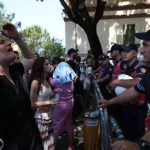
Anti-Government Protests Escalate in Tirana as Demonstrators Block Parliament
Change font size: - + Reset Tirana Times, July 03, 2026 – Albania’s month-long anti-government protest movement entered a more confrontational phase on Thursday, as demonstrators gathered outside Parliament, blocked access points
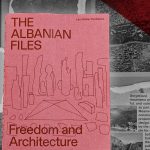
Are Europe’s Star Architects Helping Launder Albania’s Criminal Economy?
Change font size: - + Reset The Albanian Files suggests that international architecture may have served not only as design, but as a prestigious façade for opaque money, captured institutions and one-man
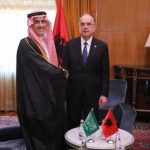
Saudi Ambassador Presents Credentials To Albanian President As Ties Gain Momentum
Change font size: - + Reset Tirana Times, June 05, 2026 – Saudi Arabia’s new ambassador to Albania, Turki Ibraheem Almadhi, presented his credentials to President Bajram Begaj, marking the formal start