TIRANA, Oct. 17 – The Albanian government says it has ordered the relocation and protection of some malnourished and mistreated wild animals kept at a private zoo in Fier, southwestern Albania, following an article by the UK’s Daily Mail showing pictures exposing the shocking conditions of the animals and the zoo.
Environment Minister Blendi Klosi says he has ordered an operation by the Environment Inspectorate which is cooperating with the Fier Police and an animal welfare association to immediately relocate the mistreated animals held in captivity and place them under protection to put an end to what he calls a “shameful event.”
The relocation of animals at the Safari Park, a private run zoo that has been operating for years in Fier, Albania’s third largest city, comes only after an article by a British tabloid despite the critical conditions of the wild animals held in captivity there already known by visitors to the zoo which also has a restaurant bar.
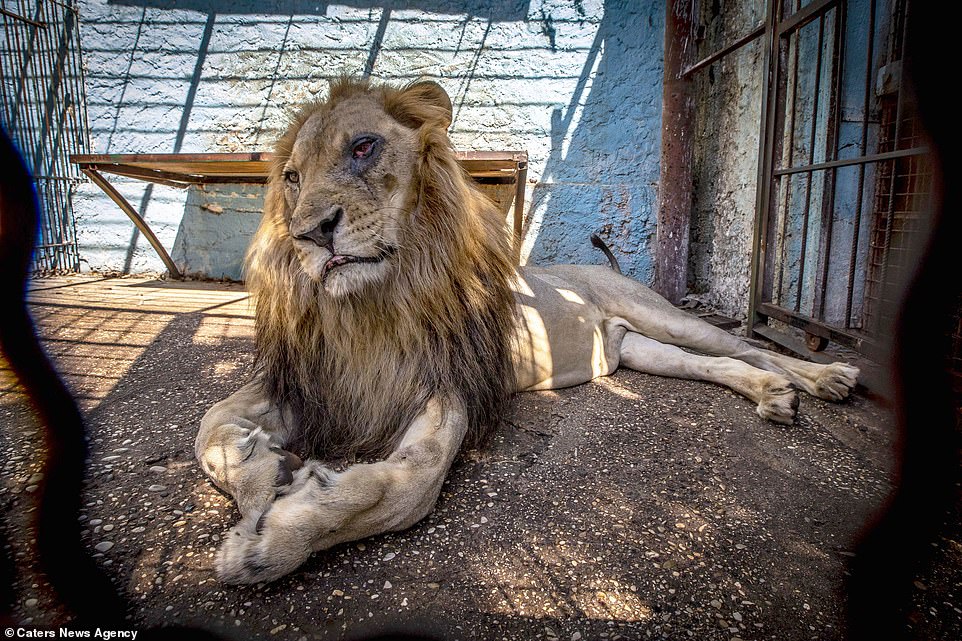
“Pictures taken at the Safari Park Zoo in Fier show a ‘severely malnourished’ lion living in cramped conditions with what appears to be an untreated eye injury. Other animals, including a zebra, a thin-looking wolf and several deer, were seen locked up in desolate concrete cages in the privately-owned zoological park,” writes the Daily Mail.
Four Paws, a Vienna-based international animal welfare organization, which in 2016 pushed Albanian authorities to enforce a ban on the cruel keeping of bears, leading to more than a dozen bears and cubs being rescued from captivity, called the situation at the Fier zoo ‘absolutely unacceptable’.
“Signs of the mental and physical impact of being kept in such abject surroundings can be clearly seen on each of the poor animals at the zoo. If something is not done soon, these animals will continue to suffer and most likely die in these unspeakable conditions,” Ioana Dungler, the head of the Four Paws Wild Animals Department is quoted as saying.
“Once again, we see the horrific treatment of wild animals in poor captivity, all for the sake of tourism!” she adds.
Brown hares and bears being killed and advertised as trophies on social networks or endangered species such as the Balkan Lynx kept embalmed at restaurant bars in addition to caged bear cubs held in captivity are some of the cases the Protection and Preservation of Natural Environment in Albania (PPNEA) watchdog has identified in Albania.
Four Paws says that Albania is currently home to some of the saddest bears in Europe with dozens of bears and cubs trapped in tiny cages as ‘tourist attractions’ at restaurants, petrol stations or hotels as a way of luring customers.
Dozens of other protected wild animals live in captivity as a considerable number of the identified abuses were advertised as trophies on social networks by perpetrators themselves, apparently unaware of the legal consequences that include heavy fines and even imprisonment.
The latest reported case involves two wolf cubs advertised for sale for €200 at a local trade portal.
Earlier this year, a German researcher assessing the effectiveness of the hunting ban that Albania has been applying for the past four years collected evidence proving that illegal hunting in Albania continues even in protected areas although the cases identified are sporadic and significantly lower compared to early 2014 when Albania imposed the ban.
Environmentalists have also identified golden eagles (Aquila chrysaetos), the symbol of Albania’s national red and black flag, kept in captivity, the killing of red foxes and a restaurant which had turned into a museum of embalmed species in a northern Albania beach areas.
Albania has banned hunting for the past couple of years and imposed a new five-year moratorium until 2021 to put an end to uncontrolled and illegal hunting, which has decimated wildlife populations in the country over the last two and a half decades after the collapse of the communist regime in the early 1990s.
In late 2017, animal rights activists submitted more than 37,000 signatures in a petition addressed to MPs seeking to make animal cruelty punishable by fines and even imprisonment by amending the country’s Criminal Code, but the legal initiative that needs a qualified majority of 84 votes, three-fifths of the current 140-seat Parliament, has not been examined yet.